What to know about bulky rubbish access on narrow Kensington streets
Posted on 12/06/2026
Narrow roads, tight kerbs, parked cars, basement steps, and a surprising amount of awkward furniture: bulky rubbish access on narrow Kensington streets can turn a simple clearance into a small logistics puzzle. If you have ever tried to move a wardrobe out of a top-floor flat on a weekday morning in Kensington, you will know the feeling. The item is bigger than you remembered, the hallway is smaller than you hoped, and the street outside is doing its best impression of a one-way bottleneck.
This guide breaks down what actually matters: how access works, where the common pinch points are, what makes a clearance smoother, and how to avoid the mistakes that waste time or cause damage. Whether you are clearing a house, dealing with furniture disposal, or planning a builder's waste pickup, the basics are much the same. A little preparation goes a long way. Honestly, sometimes it is the difference between a calm collection and a very long morning.

Why it matters
Kensington's streets are not all the same, but many share the same challenge: limited room to stop, limited room to turn, and not much tolerance for clumsy loading. That matters because bulky waste is, by definition, awkward. Sofas, mattresses, wardrobes, filing cabinets, broken exercise equipment, old appliances, and renovation offcuts all need enough space to be lifted, carried, and loaded safely.
If access is poor, the job becomes slower and riskier. Crews may need to park farther away, carry items longer distances, or split the collection into more than one loading point. On some streets, the practical issue is not the rubbish itself; it is the combination of road width, stairwells, frontage space, and local traffic flow. A collection that looks simple on paper can become a bit of a juggling act once you factor in a tight mews, a busy high street, or a terrace with no front garden at all.
For residents and property managers, this matters for three big reasons:
- Time: good access saves time; poor access adds it.
- Safety: the more awkward the carry, the higher the chance of bumps, scrapes, or trips.
- Cost control: difficult access can increase labour and planning needs, even when the waste volume is modest.
That is why access planning is not a side issue. It is the job.
If you are also thinking about broader clearance planning, the site's services overview is a useful place to understand how different types of removals are typically handled in practice.
How access and collection usually work
Most bulky rubbish collections in narrow Kensington streets follow a simple logic: reduce the number of unknowns before the crew arrives. The easier the route from the item to the vehicle, the smoother the collection. That sounds obvious, but in real life there are a lot of moving parts.
Access planning often starts with a few basic questions. Can a van stop close to the property? Is there space to load safely without blocking traffic? Are there steps, basement levels, shared hallways, or tight internal turns? Can large items be dismantled first? And will neighbours, porters, or building managers need advance notice?
On narrow streets, the collection team may need to work from a smaller vehicle or use a more flexible loading method. In some cases, items are carried from inside the property to a waiting vehicle; in others, they are placed in a defined collection area to minimise disruption. The exact setup depends on the street, the item size, and the building layout.
It is also common for collections to be timed carefully. Morning traffic, school runs, delivery vans, and resident parking all affect how easy a street is to use. On a quiet stretch, you may get away with a straightforward arrival and load. On a busier road, the same task may need more precise scheduling. There is no magic trick here, just good coordination.
For residents comparing disposal methods, it can help to look at the broader options available through rubbish collection in Kensington and see which approach fits the access you actually have, not the access you wish you had.
Key benefits and practical advantages
When bulky rubbish access is planned properly on narrow Kensington streets, the benefits are practical rather than flashy. You notice them in the absence of problems, which is a bit unglamorous, but very welcome.
- Less disruption to neighbours: shorter loading times and clearer routes reduce nuisance.
- Lower chance of damage: careful handling matters when hallways, banisters, or parked cars are close by.
- Better use of labour: fewer delays mean less time spent on site.
- Cleaner street presentation: waste is removed quickly rather than sitting outside for hours.
- More predictable outcomes: when access is mapped out, there are fewer surprises on the day.
There is also a quieter benefit that people often miss: peace of mind. If you are managing a move, an office clear-out, or a property sale, you already have enough on your plate. Knowing the bulky waste side is organised can remove a surprising amount of stress. Truth be told, that mental relief is worth a lot.
For people dealing with larger household clearances, the process often feels easier when paired with a structured approach like house clearance in Kensington, especially where access points and room layouts are a bit awkward.
Who this is for and when it makes sense
This subject is relevant to more people than you might think. It is not just for landlords or people renovating townhouses. In Kensington, access is something many different property users deal with.
You may need this if you are:
- clearing furniture after a move
- disposing of an old mattress, wardrobe, or sofa
- removing office desks, chairs, or filing units
- handling post-refurbishment waste from a flat or terrace
- emptying a loft, garage, or basement storage area
- preparing a property for sale or letting
- organising waste after an event or gathering
It makes sense any time the item is too large for normal bin collection, too awkward to move alone, or too bulky for a standard household route to the street. It also makes sense when the street itself is part of the problem. Kensington has many attractive but compact roads, and pretty does not always mean practical. Little wonder, really.
If you are a homeowner preparing a property transaction, this often sits alongside other planning concerns. Some readers also find it useful to understand local property pressures through this Kensington homes guide and the Kensington real estate investment overview, especially when presentation and timing matter.
Step-by-step guidance
Here is the most practical way to plan bulky rubbish access on a narrow street without making it harder than it needs to be.
- List the items clearly. Measure the large pieces if possible. A quick photo is even better than a vague description. "Big sofa" can mean anything.
- Check the route out of the property. Think about stair width, door frames, corners, basement steps, and whether anything needs to be dismantled.
- Assess street access. Can a vehicle stop close enough? Is there a loading bay, resident permit area, or a space that tends to be open at certain times?
- Note obstructions. Plan around bins, scaffolding, parked cars, bike racks, planters, and delivery activity.
- Choose the right collection timing. Off-peak slots are often easier. Early afternoon is not always best; sometimes early morning is quieter, sometimes not. It depends on the street.
- Tell the building manager or neighbours if needed. A quick heads-up can avoid an awkward moment on the pavement.
- Prepare the items. Empty drawers, remove loose parts, tape doors shut if necessary, and separate anything recyclable.
- Have a fallback plan. If the vehicle cannot stop right outside, know where it can stop safely nearby.
The little things matter. One missing parking space can change the whole rhythm of the collection. One narrow turn in a corridor can change whether something comes out in one piece or not. Planning for those details is where the real value sits.
Expert tips for better results
After a while, you start to see the same patterns. Narrow Kensington streets reward people who prepare early and keep things simple.
1. Break down what can be broken down. Wardrobes, bed frames, shelving, and office furniture often become much easier once they are dismantled. Even partial dismantling helps. It can save time and make tight staircases less of a headache.
2. Keep the route clear the night before. If you can move shoes, prams, parcel boxes, and loose clutter away from the exit route, do it. The collection morning feels smoother straight away. You will notice the difference.
3. Photograph the access points. Photos of the front entrance, street width, basement steps, and any tricky bends help everyone prepare properly. Not glamorous, but useful.
4. Group items by weight and fragility. Heavy items should not be tucked behind lighter ones that need to come out first. Obvious, yes. Done consistently, not always.
5. Plan around local traffic patterns. In areas with busy residential parking or school-time congestion, a ten-minute delay can become a thirty-minute wait. Choose your slot with that in mind.
6. Ask about specialist handling for awkward items. Some bulky pieces, such as office cabinets, builders' materials, or unusually large furniture, benefit from a more specific plan. That is where experienced clearance providers earn their keep.
For post-renovation situations, it can also help to look at builders' waste clearance in Kensington, because construction leftovers and domestic bulky waste do not always behave the same way.

Common mistakes to avoid
The most common errors are not dramatic, just annoyingly avoidable. And yes, we have all seen them.
- Underestimating the size of the items. What looks manageable in the living room may be a nightmare at the front door.
- Assuming the van can stop anywhere. On narrow streets, stopping space is often the real constraint.
- Forgetting internal bottlenecks. Basement stairs, tight landings, and old door frames can be more limiting than the street itself.
- Leaving everything for collection day. Sorting, dismantling, and separating items on the day adds pressure.
- Ignoring access permissions. Some buildings need prior notice or porter coordination. A quick assumption can derail the plan.
- Mixing hazardous items with normal bulky waste. Some materials need different handling, and they should not be treated casually.
One of the sneakiest mistakes is making the booking based on ideal conditions rather than actual ones. "There should be space outside" is not a plan. It is a hope. Slightly different thing.
Tools, resources and recommendations
You do not need a van full of specialist kit, but a few basic tools make the process easier.
- Tape measure: useful for doors, stair turns, and large furniture dimensions.
- Phone camera: photos of access points and items are often enough to resolve uncertainty.
- Basic screwdriver or drill: helpful if furniture needs quick dismantling.
- Protective gloves: especially when moving old furniture or sharp-edged material.
- Labels or marker pen: useful if items need sorting or separating before collection.
- Clear floor route: not a tool exactly, but probably the most useful preparation step.
For readers comparing services, the pricing and quotes page is useful because access complexity often affects the shape of a quote more than people expect. Transparent pricing starts with accurate access details.
There are also practical pages worth keeping in mind for specific waste types: furniture disposal in Kensington, junk removal in Kensington, and waste removal in Kensington. Each one can fit a slightly different kind of access challenge.
Law, compliance, standards, or best practice
With bulky rubbish, the safest approach is to follow accepted UK waste-handling practice and avoid assumptions. You do not need to become a compliance expert, but a few principles matter.
Use a responsible collection route. Waste should be handled in a way that avoids fly-tipping, unsafe stacking, or obstructing the highway for longer than necessary. On narrow streets, this is especially important because a badly planned collection can inconvenience neighbours very quickly.
Separate items that need special handling. Some waste streams may require particular treatment, and it is wise not to mix everything together just to get it gone faster. Better to ask first than sort out a problem later.
Think about safety as part of compliance. Manual handling, sharp edges, poor lighting, and cramped stairwells all raise the risk level. Good practice is to minimise lifting distance, keep routes clear, and use enough people for the job.
Respect buildings and public space. That means not blocking entrances, not damaging walls or railings, and not leaving items on the pavement without a clear plan. Simple enough, but easy to forget in a rush.
For reassurance around operational standards, readers often appreciate the company's plain-English pages on insurance and safety and recycling and sustainability. Those topics matter more than people think when access is tight and handling needs to be careful.
Options, methods, or comparison table
There is no single best method for every narrow street. The right approach depends on item size, timing, access, and how much help you want on the day. Here is a practical comparison.
| Method | Best for | Access challenge | Typical advantage |
|---|---|---|---|
| Man and van style collection | Mixed bulky items, moderate access issues | Needs nearby stopping space | Flexible and often suitable for small streets |
| Full clearance service | House, office, loft, or garage clear-outs | Better for awkward routes and multiple item types | More hands, more coordination, less stress |
| Skip hire | Projects with a lot of mixed waste | Needs place to position the skip safely | Handy for ongoing disposal during a longer project |
| Targeted item removal | Single sofas, mattresses, white goods, or one-off items | Usually easier, but still affected by stairs and parking | Quick and straightforward when access is simple |
If you are dealing with a smaller, tightly timed collection, a direct rubbish clearance in Kensington arrangement can be easier than trying to force a one-size-fits-all option.
Case study or real-world example
Picture a top-floor flat on a narrow Kensington street with a staircase that turns sharply on the first landing. The resident needs to remove a sofa bed, a chest of drawers, and two broken dining chairs before a viewing the next day. There is resident parking on both sides of the street, one delivery van already idling outside, and not much room to breathe, let alone manoeuvre furniture.
The easiest route is not always the most obvious one. In this kind of job, the crew would usually want to know the dimensions of the sofa bed, whether the legs can be removed, how wide the staircase is at the corner, and whether any parking bay or loading spot can be identified in advance. If the sofa cannot make the turn intact, dismantling it first may be the sensible call. If the street is too tight for long loading, the team might schedule the collection at a quieter time and keep the route to the vehicle as short as possible.
The result is not dramatic. No one is clapping in the street. But the items leave cleanly, the walls stay intact, and the viewing goes ahead without a heap of furniture in the hallway. That is the win. Small, practical, and very real.
Practical checklist
Use this checklist before booking or on the morning of collection.
- Measure the largest items
- Take photos of doors, stairs, and street access
- Check whether furniture can be dismantled
- Clear the exit route inside the property
- Confirm any parking, loading, or access restrictions
- Tell neighbours, a porter, or building manager if needed
- Separate recyclables where possible
- Keep lifts, stairwells, and entrances unobstructed
- Prepare a backup stop location if the street is blocked
- Share any extra notes about fragile walls, low ceilings, or awkward turns
If you are clearing storage spaces as well, the related pages for loft clearance and garage clearance in Kensington can help you think through the access points before collection day.
Get a free quote today and see how much you can save.
Conclusion
Bulky rubbish access on narrow Kensington streets is really about planning, patience, and knowing where the pressure points are. The street may be compact, the building may be old, and the items may be awkward, but with the right approach the job can still be handled neatly. That is especially true when you measure carefully, communicate clearly, and choose a collection method that suits the access you actually have.
To be fair, that is the whole game: less guesswork, more preparation, fewer surprises. If you get those basics right, bulky clearance becomes much less of a hassle than people fear. And once the space is clear, the relief is immediate. The room feels bigger, the hallway feels calmer, and the whole place just breathes a bit easier. Nice feeling, that.
If you would like help planning a collection around tight access, take a look at the site's about us page or explore the broader service options to see what fits your situation best.



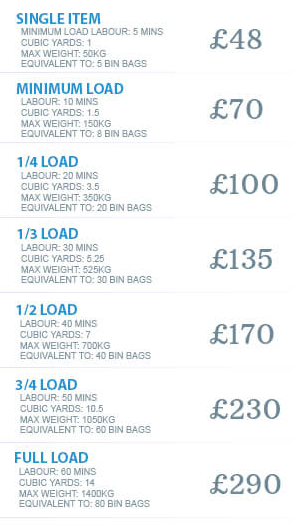
 Tipper Van - Rubbish Removal and Waste Disposal Prices in Kensington W8
 Luton Van - Rubbish Removal and Waste Disposal Prices in Kensington W8