South Kensington station rubbish collection tips SW7
Posted on 09/10/2026
South Kensington station rubbish collection tips SW7: a practical local guide for cleaner, easier waste disposal
If you live, work, let, or manage property near South Kensington station, rubbish has a way of becoming a daily annoyance. One full bin bag in the wrong place can feel minor at breakfast and completely out of hand by evening. The good news is that South Kensington station rubbish collection tips SW7 are not complicated once you understand the local rhythm: tight streets, busy footfall, limited space, and the need to move waste efficiently without creating a mess or upsetting neighbours.
This guide brings together the practical side of rubbish collection around South Kensington station and the wider SW7 area. You will find clear advice on timing, sorting, safety, compliance, and choosing the right removal method for the job. Whether you are clearing a flat, handling office waste, or trying to avoid a last-minute pile-up outside a mews property, the aim here is simple: help you dispose of waste properly and with less stress. Truth be told, that is half the battle in central London.
Along the way, we will also show where related services and local information can help, including a full overview of rubbish removal services, rubbish collection in Kensington, and specialist options such as house clearance or furniture disposal when the job is bigger than a few bin bags.
Why South Kensington station rubbish collection tips SW7 Matters
South Kensington is one of those places where waste management becomes visible very quickly. You have station traffic, shops, cafes, period flats, museums, embassies, student housing, short lets, and busy residents all sharing a fairly compact area. That means one poorly timed bin store, one broken wardrobe left on the pavement, or one overloaded sack can create more friction than it would elsewhere.
Good rubbish collection habits matter here for a few simple reasons. First, space is limited. Many homes and buildings around SW7 do not have the luxury of a wide forecourt or a generous rear service yard. Second, collections can be disrupted by traffic, parking pressure, or access restrictions. Third, the area has a polished, high-footfall character. Nobody wants bulky waste sitting out by the kerb while commuters stream past in the morning drizzle.
There is also the practical side for property owners and landlords. In our experience, waste issues near stations tend to snowball when a flat is changing hands, a tenant moves out, or works are underway. The earlier you plan, the easier it is to keep things tidy. If you are involved in property transactions or lettings nearby, it can help to read more about buying and selling homes in Kensington and the broader local market context in this Kensington real estate guide.
Key point: around South Kensington station, rubbish collection is less about "getting rid of stuff" and more about coordinating timing, access, sorting, and responsibility.
How South Kensington station rubbish collection tips SW7 Works
At a basic level, rubbish collection in this part of London follows the same principle as anywhere else: waste must be sorted, stored safely, and removed by the right route. The difference is in the logistics. Around South Kensington station, there are often tighter loading windows, more pedestrian flow, and less margin for error.
For many households and businesses, the process looks like this:
- Identify what needs removing and separate reusable, recyclable, and general waste.
- Check whether the material fits standard council collection arrangements or needs a private collection.
- Prepare access routes so bags, boxes, or bulky items can be moved safely.
- Arrange collection for a time that reduces disruption to neighbours, staff, or building management.
- Confirm that the waste is taken to an appropriate facility, especially for mixed or specialist items.
That sounds straightforward, and mostly it is. But the details matter. A single broken desk, a stack of old chairs, or the contents of a garage can quickly push you beyond what normal bin collection can handle. If the waste includes timber, metal, electrical items, or garden cuttings, the best route may be different each time. For larger or more awkward clearances, people often look at junk removal in Kensington, garage clearance, or loft clearance rather than trying to squeeze everything into general waste.
One useful way to think about it is this: the closer you are to the station, the more planning you need. Not glamorous, but true.
Key Benefits and Practical Advantages
Well-managed rubbish collection brings more than a tidy pavement. It reduces stress, improves safety, and usually saves time later on. A cluttered flat, office, or shared building tends to create more problems than people expect. Bags left too long start to smell, items get damaged, and access becomes awkward. The whole situation gets a bit sticky, literally and figuratively.
Here are the main benefits of handling waste properly around SW7:
- Cleaner access: easier movement through narrow hallways, basements, and loading points.
- Better neighbour relations: less obstruction, smell, and visual clutter.
- Safer premises: reduced trip hazards and less chance of pest activity.
- More efficient moves: especially during tenancy changes, refurbishments, or office relocations.
- Improved recycling outcomes: recyclable materials are easier to separate before they become mixed waste.
- Less wasted effort: the right disposal route avoids double-handling heavy or awkward items.
There is another angle too. In a premium part of London, presentation matters. A building with clear bin arrangements, prompt removal of bulky items, and a sensible collection routine simply feels better managed. That matters to residents, visitors, and prospective tenants alike. If sustainability is a priority for your household or business, it is worth reviewing recycling and sustainability guidance so reusable and recyclable materials do not end up in the wrong stream.
Practical takeaway: the best rubbish collection plan is usually the one that prevents waste from becoming visible in the first place.
Who This Is For and When It Makes Sense
This topic is relevant to quite a few people, not just homeowners with too many black bags. If you are anywhere near South Kensington station, there is a decent chance you will need some kind of collection plan at some point. The reasons vary, but the underlying challenge is the same: waste builds up faster than people expect.
You may need these tips if you are:
- a resident in a flat, maisonette, or terraced property with limited storage space
- a landlord preparing for a tenant move-out or inventory clean-up
- a homeowner doing a declutter before sale or renovation
- a business managing office waste, packaging, or old furniture
- a property manager coordinating shared bins or a communal refuse area
- a contractor dealing with light builders' waste after a small job
For businesses, it is often about consistency more than volume. A small office can create a surprising amount of paper, packaging, and damaged furniture over a few months. In that case, office clearance in Kensington may be the sensible route rather than piecemeal disposal. For renovation work, builders waste clearance is often the safer and tidier option, especially where plasterboard, rubble, or mixed site waste is involved.
And if you are wondering whether all this is worth the planning, ask yourself a simple question: would you rather sort it calmly on a Wednesday morning, or stare at three overflowing bags and an old chair at 9pm on a Sunday? Exactly.
Step-by-Step Guidance
Below is a practical process that works well for most South Kensington rubbish collection jobs. It is not fancy, but it is effective. Start here if you want less chaos and fewer surprises.
1. Walk the property and list everything to remove
Do a room-by-room sweep. Write down bulky items, broken goods, bagged waste, and anything that might need special handling. Be honest here. That old filing cabinet in the corner is probably not going to vanish by itself.
2. Separate waste into sensible groups
Keep recyclables, general waste, reusable items, electricals, and bulky rubbish apart where possible. This helps with both cost control and environmental responsibility. It also makes it easier to choose between rubbish clearance, waste removal, or a more specialised service.
3. Check access before collection day
Measure stairwells, lifts, basement doors, and any tight turns. Around older SW7 buildings, access can be the part that causes delays. If the collection team cannot safely move the item, the whole job slows down. A quick pre-check saves a lot of faff.
4. Clear the route
Make sure corridors, hallways, and shared entrances are free from clutter. If bins are stored in a communal area, notify neighbours or building management if needed. Small courtesy, big difference.
5. Decide whether you need a same-day or scheduled collection
Some jobs are urgent, such as end-of-tenancy clearances or post-refurbishment clean-ups. Others can wait a day or two. Urgency often affects what method makes the most sense. For example, a small load of mixed items may suit a simple pickup, while a larger item stream may be more efficient as a dedicated clearance.
6. Confirm special items separately
Mattresses, fridges, sofas, wardrobes, garden cuttings, and DIY debris can all need different handling. If you have heavy or awkward pieces, it is usually better to flag them up in advance. A sofa that looks manageable in daylight can feel a lot less charming on a narrow staircase at 8am.
7. Ask how the waste will be handled
It is reasonable to ask whether items will be reused, recycled, or sent to disposal. That question is especially relevant if sustainability matters to you or your building. Many people now prefer a disposal route that prioritises sorting rather than simply tipping everything together. If that is you, the about us page can help set expectations about the service approach and values behind it.
8. Keep records for landlords, agents, or business compliance
For commercial or managed properties, it helps to keep a basic record of what was removed and when. Nothing overcomplicated. Just enough to answer questions later if needed.
Expert Tips for Better Results
Here is the bit that makes the process easier in practice. These are the small habits that save time, reduce stress, and stop rubbish collection becoming a recurring headache.
- Schedule around peak movement: avoid times when commuters, school runs, deliveries, or building works are at their busiest.
- Use clear labels on grouped items: especially in shared buildings or offices where different people may leave waste in the same spot.
- Keep a "quick clear" box: for paperwork, packaging, and small items that build up slowly.
- Don't mix reusable items with contaminated waste: once they are mixed, recovery becomes much harder.
- Photograph bulky items before removal: useful for landlords, agents, and anyone needing a record.
- Plan for one extra bag: it is amazing how often "just a few things" becomes six bags and an old lamp.
A small but useful point: if you are handling a clear-out in a beautifully kept period property, protect hall floors and corners before anything is moved. A bit of cardboard or a runner can prevent scuffs that are expensive and annoying to fix. Not dramatic, just sensible.
If the clearance is linked to a bigger lifestyle change, such as moving, renovating, or restructuring a workspace, you might also find these local reads useful: is Kensington ideal for residents? and a guide to Kensington London.

Common Mistakes to Avoid
Most rubbish collection problems near South Kensington station are avoidable. The trouble is, the mistakes are ordinary ones. A bit rushed. A bit optimistic. We have all done it.
- Leaving everything to the last minute: this usually turns a manageable load into a stressful one.
- Assuming one collection method fits all: it rarely does.
- Ignoring access limitations: basement flats, narrow staircases, and restricted loading points need planning.
- Mixing hazardous or restricted waste with household rubbish: this can create handling and compliance issues.
- Forgetting about shared spaces: in communal buildings, poor coordination can upset neighbours quickly.
- Overfilling bags or boxes: heavy sacks are awkward and can split at the worst possible moment.
- Not checking recycling opportunities: some items can be diverted from general waste with minimal effort.
One of the biggest errors, honestly, is underestimating how long sorting takes. People assume disposal is the hard part. Sometimes the sorting is the real job.
Tools, Resources and Recommendations
You do not need a warehouse of equipment to manage rubbish properly around SW7, but a few basics make life easier.
| Tool or resource | Best use | Why it helps |
|---|---|---|
| Heavy-duty sacks | General household waste | Reduces splitting and makes transport safer |
| Strong boxes or crates | Paper, books, mixed small items | Keeps sorting tidy and easier to carry |
| Gloves and closed shoes | All clear-outs | Basic protection against sharp or dirty items |
| Labels or marker pens | Shared flats and offices | Helps separate categories and avoid confusion |
| Trolley or sack truck | Bulky loads | Useful for moving heavier items without strain |
| Service information page | Choosing the right disposal route | Clarifies what type of clearance suits the job |
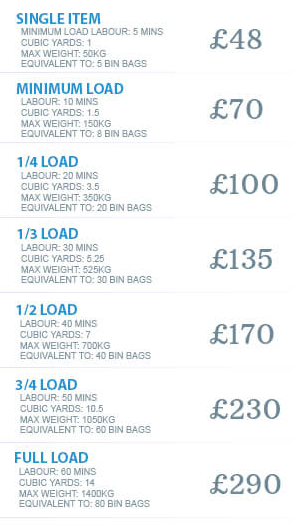
For anyone comparing service types, a look at pricing and quotes is a sensible next step, especially if you are weighing up a small collection versus a larger clearance. If you are looking specifically for a more everyday pickup arrangement, local rubbish collection can be a useful starting point.
And if you have garden waste after a tidy-up of a small patio, front border, or courtyard, garden waste removal in Kensington may be a better fit than general rubbish. Different waste, different route. Simple as that.
Law, Compliance, Standards, or Best Practice
Waste disposal in the UK is not something to improvise. Even when you are only dealing with domestic rubbish, there are best-practice expectations around keeping waste secure, using appropriate carriers where required, and not dumping items where they do not belong. The details can vary depending on the type of waste and who is responsible for it.
For everyday users, the safest approach is to make sure rubbish is:
- stored securely before collection
- kept separate from items that may need special handling
- handed to a legitimate collector or placed through the correct local route
- not left in a way that obstructs access, creates a hazard, or attracts pests
If you manage a building, office, or rental property, the duty of care becomes more important. You need a sensible paper trail and a reliable disposal method. That is especially true for larger clearances, where builders' waste, mixed furniture, or office equipment may be involved. For safety-related questions, the insurance and safety information is worth reviewing before you book anything.
There is also a practical environmental standard at work here. Reuse and recycling should be considered before disposal wherever possible. You do not need to make it complicated, but you do need to make an effort. In a place like SW7, where many homes and businesses are conscious of appearance and standards, that approach fits naturally.
Options, Methods, or Comparison Table
Choosing the right disposal method depends on the amount of waste, the type of waste, access, and timing. Here is a simple comparison that helps many people decide without overthinking it.
| Method | Best for | Strengths | Watch-outs |
|---|---|---|---|
| Routine bin collection | Small, everyday household waste | Convenient and familiar | Not suitable for bulky or excess items |
| Private rubbish collection | Moderate mixed waste loads | Flexible timing and direct pickup | Needs clear access and item preparation |
| House clearance | Full or partial property clear-outs | Efficient for larger jobs | Requires more sorting and planning |
| Furniture disposal | Sofas, wardrobes, desks, chairs | Good for bulky one-off items | Must check dimensions and access |
| Skip hire | Ongoing work or heavier clearances | Handy for repeat loading over time | Needs space and may not suit tight streets |
In the South Kensington area, skip hire can make sense for some projects, but space is often the limiting factor. If you cannot safely place a skip or do not want it taking over the frontage, a direct collection route is usually cleaner and less disruptive. You can compare this with skip hire in Kensington and decide which one actually fits the site, not just the theory.
Case Study or Real-World Example
Imagine a small flat just a short walk from South Kensington station. The tenant is moving out on a Friday morning. There is a broken dining chair, two suitcases of unwanted belongings, a bedside table, several black bags, and a small pile of packaging from a new bed frame. Nothing massive, but enough to cause stress if left until the last minute.
The sensible approach would be to sort the waste two days earlier. Recyclables go into one group. Reusable items are boxed separately. The chair and table are measured to check they will fit through the hallway without scratching the wall. A quick photo is taken for records. Then collection is arranged for a quiet mid-morning slot rather than the school-run rush. The whole flat is clear by lunchtime, and the handover is much smoother.
Now compare that with the alternative. Everything left by the door the night before, no access check, bags mixed with old electronics, and a panic because the lift is too small for the wardrobe. Less elegant. More expensive in effort. You can see where this is going.
For larger property transitions, the same logic applies. If you are preparing a home for sale, or coordinating works before viewings, a planned clearance can make the property feel calmer and more presentable. That can matter more than people think. If you are in that situation, the related guide on purchasing and selling homes in Kensington may be helpful alongside practical clearance planning.
Practical Checklist
Use this quick checklist before arranging rubbish collection near South Kensington station:
- List all items that need removing
- Separate general waste, recyclables, and bulky items
- Measure awkward furniture or appliances
- Check stairs, lifts, doors, and access routes
- Confirm whether any items need specialist handling
- Choose a collection time that avoids the busiest period
- Protect floors and walls if items are being moved through the property
- Notify neighbours or building management if shared spaces are involved
- Ask about recycling and disposal handling
- Keep a note or photo record if you manage property or commercial premises
If you can tick most of those off, you are probably in good shape. Not perfect, perhaps, but good enough to make collection day smooth.
Conclusion
Rubbish collection near South Kensington station does not need to feel like a logistical puzzle. With the right plan, even a busy SW7 address can stay tidy, compliant, and manageable. The main thing is to match the waste to the right disposal method, check access before moving anything, and give yourself enough time to sort rather than scramble.
Whether you are clearing a flat, handling office waste, dealing with furniture, or organising a bigger property clean-up, a calm and methodical approach will usually save you time and hassle. And honestly, in a neighbourhood where space is precious and standards are high, that calmness shows. It makes the whole place feel better.
If you are comparing options or want to talk through a specific clearance, start with the service pages, review the practical guidance, and then get in touch when you are ready. A quick conversation can save a lot of second-guessing.
Get a free quote today and see how much you can save.
Sometimes the smallest bit of planning makes the biggest difference. One clear path, one sorted load, and the whole day feels lighter.


 Tipper Van - Rubbish Removal and Waste Disposal Prices in Kensington W8
 Luton Van - Rubbish Removal and Waste Disposal Prices in Kensington W8