Rubbish removal Kensington High Street W8 guide
Posted on 26/05/2026
If you live, work, or manage property around Kensington High Street, rubbish has a way of piling up at exactly the wrong moment. One day it is a few broken boxes and a tired armchair; the next it is builders' debris, old office furniture, or a loft that has quietly become a storage disaster. This Rubbish removal Kensington High Street W8 guide is here to make the process clearer, calmer, and much more practical.
We will walk through how rubbish removal works in the area, what to expect from a professional service, how to compare your options, and which mistakes can cost you time or money. You will also find localised tips for flats, shops, offices, and homes near the High Street, plus a checklist you can use before booking. Straightforward stuff. Useful stuff.
For broader context on the neighbourhood itself, it can help to understand the area's mix of residential streets, high-footfall retail, and busy access points. A local overview such as this guide to Kensington London gives a useful sense of why clearance jobs here often need a bit more planning than people expect.
Why Rubbish removal Kensington High Street W8 guide Matters
Kensington High Street sits in one of those parts of London where space is precious and access can be awkward. That matters because rubbish removal is not just about lifting things into a van. It is about timing, parking, building access, stairwells, lift use, noise, and whether the load is mixed household waste, commercial clutter, or heavy builder's material.
In practical terms, a rushed clearance can lead to blocked hallways, upset neighbours, missed collection windows, or waste sitting around longer than it should. In a busy W8 setting, that can become a real nuisance. A well-planned rubbish removal service helps you avoid that mess, keeps the property usable, and reduces the chance of doing the job twice. Nobody wants that. Not on a wet Tuesday morning, and not at the end of a long moving day either.
The best services also help with sorting. That can be especially useful if you are trying to separate reusable items, recyclable materials, and general waste. If sustainability matters to you, it is worth reading more about recycling and sustainability practices before booking.
There is also a local lifestyle angle. Kensington has a lot of residents, landlords, retailers, and office tenants who need fast turnaround. If you want a broader sense of the area's appeal and property movement, you may also find is Kensington ideal for residents and Kensington real estate as a smart investment useful as background reading.
How Rubbish removal Kensington High Street W8 guide Works
Most rubbish removal in Kensington High Street follows a fairly simple pattern, although the details vary depending on the type of property and waste. The usual process starts with a quote, then a collection appointment, then loading, sorting, and disposal. In a more complex job, there may be a brief site check first. That is especially common for bulky items, builders' waste, or locations with limited access.
Here is the typical flow in plain English:
- You describe the waste. Photos help a lot. So do honest details about access, floor level, and whether there is lift access.
- A price estimate is given. This may be based on volume, weight, item type, labour needed, or a combination.
- A collection slot is booked. Good operators will try to give a realistic timeframe, especially around busy parts of W8.
- The team removes the items. They carry, load, and sort on site, which saves you time and, frankly, a fair bit of backache.
- The waste is transported and processed. Reusable items may be separated, recyclable material diverted where possible, and the rest handled appropriately.
If you need a broader service overview before choosing a clearance route, take a look at the full services overview. It helps you see how general rubbish collection sits alongside furniture disposal, house clearance, office clearance, and other related work.
For building-related jobs, the process can be a little more demanding. Dust, rubble, plasterboard, timber offcuts, and packaging all behave differently. If that sounds like your situation, builders' waste clearance in Kensington is worth a close look because it addresses the realities of post-renovation mess rather than treating everything as generic junk.
Key Benefits and Practical Advantages
The obvious benefit is a cleaner space, but there is more to it than that. Good rubbish removal gives you breathing room. It makes homes feel liveable again, offices workable again, and commercial premises ready for customers or staff.
Here are the main advantages people tend to notice first:
- Speed: A team can clear in hours what might take you a full weekend.
- Less stress: You do not have to arrange a car, find parking, or make multiple trips.
- Safer lifting: Heavy or awkward items are handled by people used to moving them.
- Better presentation: This matters for landlords, sellers, agents, and business owners.
- Cleaner sorting: Recyclable and reusable items are easier to separate when the job is handled systematically.
- More predictable outcomes: A decent service gives you a clearer plan than a DIY "we'll see how it goes" approach. That phrase, to be fair, can go badly.
For people clearing a property ahead of a sale, these benefits are especially noticeable. An empty, tidy flat often photographs better and feels easier to market. If you are in that position, the article on purchasing and selling homes in Kensington gives useful context about how presentation and timing matter in this area.
One quieter benefit gets overlooked: emotional relief. Sorting through unwanted items can be surprisingly tiring, especially after a move, a bereavement, a renovation, or a long build-up of clutter. Getting the job handled properly can feel like the first proper exhale in weeks. That counts.
Who This Is For and When It Makes Sense
Rubbish removal around Kensington High Street is useful for more people than you might think. It is not just for major house clearances or construction sites. In reality, plenty of smaller, everyday situations justify calling in help.
This service is a good fit if you are:
- moving out or moving in and have unwanted furniture or packaging
- clearing a rented flat between tenancies
- preparing a property for sale or letting
- renovating a kitchen, bathroom, or office
- dealing with loft, garage, or basement clutter
- disposing of broken furniture, appliances, or mixed household junk
- managing post-event waste after a private function or office gathering
- needing a quick, tidy solution where a skip would be awkward
It also makes sense when your waste is too bulky, too mixed, or too awkward for normal collection. Think of an old sofa trapped halfway down a narrow staircase, or a pile of renovation debris that will not fit into your car. Not exactly glamorous, but very common.
For some households, a house clearance in Kensington is the better fit. For others, a smaller rubbish clearance service is all that is needed. The right option depends on scale, access, and how quickly you want the space back.
If you manage an office near the High Street, it can be especially useful to coordinate the work outside peak hours. A dedicated office clearance service can help reduce disruption to staff and visitors, which is always appreciated when the building is still active.
Step-by-Step Guidance
If you want the smoothest possible experience, a little preparation goes a long way. Here is a practical way to approach the job without overcomplicating it.
- Identify exactly what needs to go. Make a quick room-by-room list. Don't worry about perfect categories at first; just separate obvious items.
- Take clear photos. Wide shots plus a few close-ups usually help more than a long message.
- Check access. Note stairs, lifts, parking restrictions, loading bays, and whether the collection point is inside a building or at street level.
- Sort anything you want to keep. It sounds obvious, but people often leave valuables mixed in with disposal piles. Then there is panic. Then there is regret.
- Ask what happens to reusable and recyclable items. This matters if you care where things end up, and it can affect the overall approach.
- Confirm timing. Morning collections are often easier in busy areas. Early light, lighter foot traffic, fewer headaches.
- Prepare the space. Clear pathways, protect floors if needed, and keep pets or children away from the working area.
- Review the quote carefully. Make sure you understand what is included: labour, loading, disposal, and any potential extras.
One small but helpful habit: keep a separate "question pile" while you sort. It might be items you are unsure about, like electronics, mirrors, or things with sentimental value. That pile prevents rushed decisions. And yes, it saves arguments too, which is never a bad thing.
For specific item removal, such as worn-out sofas, wardrobes, or dining sets, you may also want to look at furniture disposal in Kensington. It is often simpler than trying to force oversized pieces into a general waste plan.
If your task involves cluttered storage spaces, the same step-by-step logic applies to loft clearance and garage clearance. These jobs look manageable until you open the door and realise there are three bikes, two broken lamps, and a mystery box from 2009.
Expert Tips for Better Results
A good rubbish removal job is often won or lost before the team even arrives. That might sound a bit dramatic, but in practice it is true. The more clearly you organise the job, the smoother it goes.
Here are the tips that make the biggest difference:
- Photograph awkward items in context. A sofa looks different in a hallway than it does in a living room.
- Be honest about volume. Underestimating the amount of waste can lead to delays or revised pricing.
- Group items by type. Mixed waste is fine, but separating obvious recyclables can help when a team is sorting on site.
- Check building rules in advance. Some flats and managed properties have collection windows or lift booking requirements.
- Plan around neighbours. If you are in a quiet block, avoid early morning noise where possible.
- Ask about insurance and safety. This is especially important for stair-heavy buildings or heavier items.
If you want a sense of how a professional team should approach safety and care, the page on insurance and safety is a good place to start. It is the sort of detail people often skip until something goes wrong. Better to look first.
Another useful habit is to think in zones. Front room, kitchen, hallway, storage area, exterior access. A clear sequence makes the work feel less chaotic. It also helps if the job turns out to be bigger than expected. Which, let's face it, happens more often than people admit.
And a small one: if you are clearing after a party, a move, or a short-term let turnover, do the light-touch tidy first. Glasses, bottles, bin liners, loose packaging. It makes the removal team faster, and you get rid of that stale-food smell quicker too. Everyone wins.

Common Mistakes to Avoid
Most rubbish removal problems are avoidable. The frustrating part is that they are usually simple mistakes, not complicated ones.
- Leaving everything until the last minute. This leads to rushed decisions and poor access planning.
- Booking the wrong service type. A small rubbish collection is not always suitable for a full clearance, and vice versa.
- Forgetting about access restrictions. In Kensington High Street, parking and loading can be a real issue.
- Not separating hazardous or specialist items. Paints, chemicals, and certain electrical items may need special handling.
- Assuming every quote includes the same things. It rarely does.
- Failing to check disposal practices. You should know, at least in broad terms, where your waste is going.
- Putting sentimental items in the clearance pile by mistake. This one hurts. A lot.
The easiest mistake to avoid is poor communication. If there is a narrow stairwell, a basement, or a loading restriction, say so early. If there is a lift that barely fits a suitcase, mention it. A five-minute detail can save a twenty-minute headache.
For more detail on payment clarity and booking confidence, the pricing and quotes page is worth reviewing before you commit. It helps set realistic expectations.
Tools, Resources and Recommendations
You do not need much specialist equipment to prepare for rubbish removal, but a few simple tools make life easier. Most are already in the house.
- Heavy-duty bin bags for smaller loose items
- Marker pens and labels to separate keep, donate, recycle, and remove
- Protective gloves if you are sorting dusty or sharp materials
- Furniture blankets or old sheets to protect floors and doorframes
- A tape measure for checking whether large items can be moved safely
- Phone camera for documentation and quote requests
On the service side, useful resources include the main rubbish collection service for everyday loads and junk removal in Kensington for mixed, general clutter. If you are dealing with seasonal trimmings, branches, or green waste, garden waste removal is the more suitable route.
For people who prefer a structured self-serve approach, a skip can sometimes make sense. But skips come with space and permit considerations, which is why skip hire in Kensington is worth comparing carefully against a full collection service.
If you want a direct conversation about the job, a short message through the contact page is often the fastest way to clarify what you need. Simple, but effective.
Law, Compliance, Standards, or Best Practice
Waste collection and disposal in the UK is not something you want handled casually. The details can vary depending on the material, the property, and who is doing the removal, but the core expectation is straightforward: waste should be collected and managed responsibly.
From a practical point of view, that means a reputable provider should be able to explain how they handle different waste streams, what happens to reusable items, and how they approach duty-of-care responsibilities. You do not need to become a waste regulations expert overnight. Still, a little awareness helps.
Good practice usually includes:
- clear identification of the waste being removed
- careful handling of bulky and fragile items
- appropriate sorting where recyclable material can be separated
- reasonable transparency about disposal methods
- appropriate insurance and safety awareness for staff and property
For clients, the main takeaway is simple: do not use a service that cannot explain its process in plain English. If a provider is vague about disposal, safety, or what is included in the quote, that is usually a sign to pause. Trust your instinct a bit here.
If compliance and standards matter to your decision, the pages on terms and conditions, privacy policy, and payment and security can also help you understand the service environment before booking.
Options, Methods, or Comparison Table
Choosing the right rubbish removal method depends on how much you need cleared, how quickly you need it done, and how much effort you want to put in yourself. Below is a simple comparison to help narrow it down.
| Option | Best for | Main advantages | Possible drawbacks |
|---|---|---|---|
| Professional rubbish removal | Mixed household waste, bulky items, quick clearances | Fast, convenient, minimal effort | Can cost more than doing it yourself |
| Skip hire | Longer projects, ongoing renovations, bulk waste | Useful if waste builds up over several days | Needs space and possibly a permit |
| DIY trips to a disposal site | Small volumes, flexible schedules | Can be economical for minor loads | Time-consuming, tiring, parking and lifting issues |
| Specialist clearance | House clearances, offices, garages, lofts, builders' waste | Tailored to the job | Requires better planning and the right service choice |
For many W8 residents, the deciding factor is access. A skip might look sensible on paper, but if there is nowhere to place it safely, or the permit process is inconvenient, a collection team can be the cleaner option. On the other hand, if you are doing a week-long renovation, skip hire may still win. It really depends.
Case Study or Real-World Example
Here is a realistic example. A Kensington High Street flat has been let for several years, and the tenants have moved out. The landlord needs the property ready for viewings. The flat contains a broken bed frame, a damaged sofa, kitchen packaging, a few old lamps, and bags of general clutter left in the storage cupboard.
At first glance, it looks like a one-off furniture job. But once the hall is checked, there is a narrow corner turn and limited lift access, which means the removal needs to be planned carefully. The solution is to combine furniture disposal with general rubbish clearance, book the collection for a quieter part of the day, and keep the access route clear before the team arrives.
What made the difference here was not luck. It was preparation: clear photos, a truthful description of the access, and a decision to separate a few items for reuse rather than send everything away. The result was a cleaner flat, less disruption, and a faster handover for the next stage.
A similar approach works for office moves too. If you are emptying workstations, filing cabinets, packaging, or old devices, starting with a structured plan usually saves time. The about us page is helpful if you want a better sense of the team ethos behind a professional, careful clearance service.
Practical Checklist
Use this checklist before your rubbish removal appointment. It keeps things simple and reduces surprises.
- List everything to be removed
- Take photos of the waste and access route
- Confirm whether items are bulky, fragile, or heavy
- Check lift availability, stair access, and parking restrictions
- Separate anything you want to keep
- Set aside reusable items if donation or reuse is possible
- Ask about recycling, disposal, and how mixed waste is handled
- Review quote details and what is included
- Arrange access with building management if needed
- Protect floors, walls, and tight corners where appropriate
- Make sure pets, children, and bystanders are out of the working area
- Keep your phone available in case the crew needs clarification
If you can tick most of these off, you are probably in good shape. And if you cannot, that is fine too. Just sort the most important ones first. The work still gets done.
Get a free quote today and see how much you can save.
Conclusion
Rubbish removal on or around Kensington High Street does not need to be complicated, but it does need to be thought through. Access, waste type, timing, and the right service choice all matter more in W8 than they might in a wider-open area. A good plan saves time, protects your property, and makes the whole job feel far less stressful.
Whether you are clearing a single bulky item, preparing a flat for sale, emptying an office, or dealing with builders' waste, the best results usually come from clear communication and a service that understands local conditions. Keep the process simple, ask the right questions, and don't let clutter drag on for another month if it can be handled now.
If you are ready to move forward, choose the option that fits your space, your timing, and your peace of mind. Honestly, that last one matters more than people think.



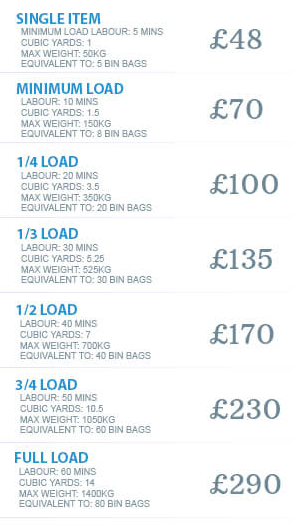
 Tipper Van - Rubbish Removal and Waste Disposal Prices in Kensington W8
 Luton Van - Rubbish Removal and Waste Disposal Prices in Kensington W8