Kensington Palace rubbish clearance for events
Posted on 08/05/2026
Kensington Palace rubbish clearance for events: a practical guide for smooth, discreet clean-ups
If you are planning an event near Kensington Palace, rubbish clearance is one of those jobs that can quietly make or break the day. It sounds simple enough at first: remove the waste, leave the venue tidy, move on. In reality, event clearance in this part of London often needs careful timing, discreet handling, proper sorting, and a clear plan for getting bulky waste out without disrupting guests, staff, neighbours, or the flow of the event itself.
That is exactly why Kensington Palace rubbish clearance for events deserves proper attention. Whether you are managing a private function, a corporate reception, a wedding-related gathering, or a branded activation nearby, the clean-up has to happen quickly and cleanly. Done well, nobody notices. Done badly, everyone notices. To be fair, that is usually how the best event operations work.
In this guide, you will find a clear explanation of how event rubbish clearance works in Kensington, what to expect, how to plan ahead, what mistakes to avoid, and how to choose the right service. If you want a broader view of local service options, our services overview is a useful place to start. For readers comparing waste handling approaches across different settings, the detail here will also help you judge whether you need standard rubbish clearance in Kensington, a more specialised event clean-up, or a mix of both.
Why Kensington Palace rubbish clearance for events Matters
Event rubbish clearance is not just about making a space look tidy at the end of the night. Around Kensington Palace, the stakes are higher because you are often dealing with a prestigious setting, busy roads, strict timing windows, and a very low tolerance for visual clutter. Guests arriving to a scene of overfilled bins, broken packaging, cable ties, cardboard stacks, and half-cleared furniture do not exactly get the grand first impression you were hoping for.
There is also the practical side. Events generate waste in bursts, not slowly and evenly. One minute everything is under control; the next, you have drink containers, food packaging, floristry offcuts, promo materials, catering waste, protective wrap, and broken-down display pieces piling up fast. Without a proper clearance plan, waste becomes a trip hazard, a fire risk, and a headache for anyone trying to keep the event running.
In Kensington, another issue is discretion. Sometimes the most important thing is simply not to draw attention. A clean, quiet clearance team can remove waste with minimal fuss, which matters a lot for private functions and premium brand events. If the event is taking place after a venue transformation, you may also need support similar to builders waste clearance in Kensington, especially if there has been fit-out work, staging, or temporary construction.
Expert summary: Good event clearance is about timing, tact, and sorting as much as it is about removal. The best clean-up is the one that leaves the venue feeling as though the mess never happened.
That might sound obvious, but it is the part that gets missed most often. People think of waste as the end of the job. In reality, it is part of the event experience.
How Kensington Palace rubbish clearance for events Works
In practical terms, event rubbish clearance usually follows a simple chain: assess the waste, plan the removal, collect it safely, sort what can be recycled, and dispose of the remainder through authorised channels. The exact process depends on the size of the event, the venue access, the amount of waste generated, and whether collection needs to happen during the event, immediately afterwards, or in stages.
For events near Kensington Palace, logistics matter a great deal. Access routes can be tight. Parking can be tricky. Sometimes you only get a short loading window, which means everything needs to be ready before the collection team arrives. That is why a site visit or a detailed pre-event call is so valuable. It lets the team understand the flow of the event, where waste will be staged, and how to avoid crowding key areas.
Most event clearances involve a combination of the following:
- collection of bagged general waste
- removal of cardboard, packaging, and promotional materials
- disposal of broken furniture or temporary fixtures
- clearance of catering waste and back-of-house refuse
- separation of recyclable items where possible
- occasional removal of garden or outdoor event waste
If your event includes a marquee, temporary seating, or outdoor decorations, you may also want to review garden waste removal in Kensington for cuttings, foliage, and natural decorative material. It is a small detail, but those small details often save time on the night.
For larger events or recurring venue operations, many organisers use a staged approach. Waste is gathered during the event to keep the space usable, then a final sweep is done once guests have left. That final sweep is usually where the real difference shows up. The floor suddenly looks calmer, the service corridors breathe again, and the venue can reset without drama. Nice.
Key Benefits and Practical Advantages
People often ask whether professional event clearance is worth it. If the event is small and the waste is minimal, maybe you can manage with in-house staff and a few collections. But once the scale, traffic, or presentation stakes rise, professional clearance brings a set of clear advantages.
1. Faster turnaround
Events in Kensington often have tight start and finish times. A professional team can work quickly, which matters if the venue must be returned to its original state by morning or if another booking follows soon after.
2. Better presentation
Guests, clients, and hosts notice tidiness. A clean loading area, clear exit path, and unobtrusive waste removal all support the overall impression of quality.
3. Safer operations
Loose packaging, glass, sharp offcuts, and overloaded bags can create hazards. A structured clearance process lowers the risk of slips, trips, and manual handling accidents.
4. Smarter recycling
Not everything needs to go to mixed waste. Good teams separate cardboard, plastics, metals, and reusable items where practical. For readers who care about that side of the job, our recycling and sustainability page explains the approach in more detail.
5. Less stress for organisers
Truth be told, event planners already carry enough. If you can hand off the waste side to people who know what they are doing, that is one less thing rattling around in your head at 10:45 pm when the chairs are being folded and someone has mislaid the uplighters again.
There is also a reputational benefit. In Kensington, attention to detail counts. A polished clean-up reflects well on the organiser, the venue, and everyone involved. That applies whether the event is a formal reception, a neighbourhood celebration, or a private dinner with heavier-than-expected packaging waste.
Who This Is For and When It Makes Sense
This service is not just for major productions. In fact, it is often most useful for organisers in the middle ground: events that are too large for casual DIY clean-up, but not so huge that they require a full waste management contractor on standby for days.
It tends to make sense for:
- wedding planners and private hosts
- corporate event organisers
- venue managers near Kensington Palace
- brand activation and marketing teams
- caterers with substantial packaging and food waste
- production teams setting up temporary event structures
- householders hosting large celebrations in the local area
If the event includes lots of guests, food service, temporary furniture, or branded materials, a dedicated clearance plan is sensible. If you are already exploring the area for a celebration, our guide to the best spots for parties in Kensington may also help with planning. And if you are comparing event-related clearance against broader domestic or property work, the service mix is often similar to house clearance in Kensington or office clearance in Kensington in the way it must be structured and carefully timed.
When does it stop being worth doing yourself? Usually when waste starts to affect movement, guest experience, or speed of venue handover. Once that happens, a simple tidy-up is no longer enough. You need a system.
Step-by-Step Guidance
Here is a straightforward way to plan Kensington Palace rubbish clearance for events without overcomplicating it.
- Estimate the type and volume of waste.
Think in categories, not just bags. Cardboard, bottles, catering waste, floral waste, furniture, display items, and packaging all behave differently. - Map the collection points.
Choose a place where waste can be gathered without blocking guests or staff. Back corridors and side access routes are often best if available. - Separate recyclables early.
Do not wait until the end and hope someone will magically sort everything. It rarely works that way. Use clearly labelled bags or bins from the start. - Confirm access and timing.
Check loading restrictions, lift access, and any venue rules about vehicle entry. Kensington streets can be unforgiving if the plan is vague. - Assign one person to oversee waste.
A single point of contact avoids confusion. When everybody is responsible, nobody is. That old story again. - Schedule the final sweep.
Build in time after guests leave for a last pass through the venue, storage rooms, toilets, and outside areas. - Verify disposal and sign-off.
Make sure the waste has been removed safely and the venue is ready for handover.
If the clearance includes heavy or awkward items, you may need support from a team that also handles furniture disposal in Kensington or more general junk removal. That is especially relevant after a seated dinner, exhibition, or temporary lounge setup where chairs, tables, stands, and display units need shifting fast.
One small but useful tip: pack waste bags as you go, not all at once at the end. End-of-event sorting is messy, tiring, and slow. Early sorting keeps the load lighter and the venue cleaner throughout the night.
Expert Tips for Better Results
Over time, a few patterns become obvious. The events that run smoothly are not always the ones with the biggest budgets. They are usually the ones with the clearest waste plan.
Keep the back-of-house area tidy. A neat service area stops the whole event from drifting into chaos. It sounds small, but it saves real time when collections begin.
Use enough bins, placed in the right spots. If bins are hidden, people will leave waste wherever they are standing. Near bar points, catering stations, and exits is usually best.
Label recycling clearly. Guests and staff do better with simple, visual prompts. Mixed messages create mixed waste. Pretty much every time.
Protect floors and surfaces. If you are dealing with bottles, wet catering waste, or packaging that sheds bits and fragments, liners and trays make a difference.
Plan for the odd item nobody expected. Broken parasols, rolled carpets, floral foam, stubborn staging debris, or flattened promotional units often appear at the end. The best teams expect a few surprises.
Choose a provider that understands local conditions. Around Kensington Palace, responsiveness matters. A provider familiar with rubbish collection in Kensington and broader waste removal in Kensington can usually adapt more easily to access limits and short turnaround windows.
And one more thing: if the venue is a bit formal, keep the clearance process quiet. No shouting, no dragging, no clattering bins underfoot. The difference between good and great often comes down to little things like that.

Common Mistakes to Avoid
Most event clearance problems are preventable. They usually come from rushing, underestimating the waste, or assuming the venue will absorb the pressure. It rarely does.
- Underestimating volume. Events create more waste than people expect, especially once catering and packaging are included.
- Leaving everything to the end. If no waste is removed during the event, the final sweep becomes slow and clumsy.
- Not checking access in advance. A great plan can still fail if the vehicle cannot get close enough to load safely.
- Mixing recyclable and non-recyclable waste. That makes sorting harder and reduces recycling options.
- Ignoring heavy items. Flat-pack tables, display plinths, and broken furniture often need different handling than standard bags.
- Forgetting about outside spaces. Courtyards, pavements, smoking areas, and entrances collect waste quickly.
- Choosing a clearance service too late. Last-minute booking can narrow your options and increase stress.
A common mistake in Kensington is thinking the event space itself is the only area that matters. In practice, the route to and from the venue matters just as much. If rubbish spills into the wrong place, your clean-up suddenly becomes an issue for everyone nearby. Not ideal.
Tools, Resources and Recommendations
You do not need a huge kit to manage event waste well, but a few basic tools make life much easier.
- Heavy-duty bin bags for general waste and mixed light refuse
- Clearly labelled recycling containers for cardboard, glass, and cans where appropriate
- Gloves and grip bags for safe handling during clear-up
- Trolleys or dollies for moving heavier items without strain
- Reusable crates for sorting event materials cleanly
- Floor protection for damp or messy back-of-house zones
- Flashlights or portable lighting for late-night sweeps in dim service areas
For service planning, the most useful resources are often the less flashy ones. A good pre-event checklist. A clear contact list. A simple map of waste points. If you want to understand the company behind the service, our about us page explains the local approach, and insurance and safety is worth reading if your event involves valuable equipment or busy public-facing areas.
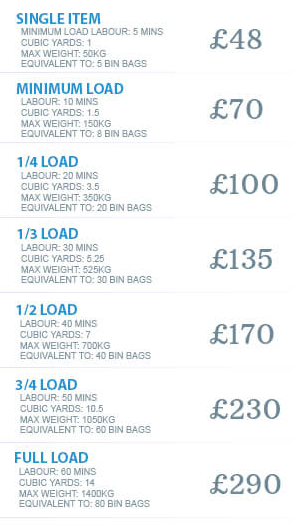
There is also a financial side to this. Event organisers often want to know how pricing works, what affects the quote, and whether a same-day collection is sensible. Our pricing and quotes page gives a practical overview. If you are comparing payment methods or want extra reassurance before booking, see payment and security too.
Law, Compliance, Standards, or Best Practice
Event rubbish clearance in the UK should always be handled responsibly, with waste transferred to appropriate and authorised disposal routes. The exact duties can vary by waste type and circumstances, so it is wise to follow current local and national guidance rather than guessing. If your event produces bulky waste, mixed loads, or items that may be reused or recycled, the provider should explain how those materials are handled.
In practical terms, best practice usually includes:
- using a responsible waste carrier
- sorting recyclable and residual waste where possible
- keeping access routes clear and safe
- avoiding overfilled bags and unsafe lifting
- protecting people, property, and nearby public areas during clearance
For organisers, one simple rule helps a lot: if a waste handler cannot explain where the waste is going, or how they handle different waste streams, that is a red flag. Not a dramatic one, just enough to make you pause.
If your event is part of a broader property project, for example a home sale, move, or refurbishment in the area, you may also find these local guides useful: purchasing and selling homes in Kensington and Kensington real estate investment guidance. They are not event-specific, but they help place clearance work within the wider practical reality of Kensington property use.
Options, Methods, or Comparison Table
Different events need different waste solutions. A quick comparison helps narrow things down.
| Method | Best for | Strengths | Things to watch |
|---|---|---|---|
| In-house event clean-up | Small gatherings with light waste | Low cost, simple to organise | Can be slow, messy, and inconsistent if the team is stretched |
| Same-day rubbish clearance | Medium events with time-sensitive handovers | Fast, discreet, keeps venue usable | Needs good timing and clear access |
| Staged clearance during the event | Larger functions and high-footfall events | Prevents waste build-up, improves safety | Requires planning and coordination with staff |
| Bulk or mixed-item removal | Events with furniture, staging, or display waste | Handles awkward loads efficiently | May need more vehicle space and longer loading time |
| Skip hire | Projects with predictable, ongoing waste | Useful for longer setups and repeated disposal | Less flexible for tight streets and short windows |
For many Kensington events, direct collection is the better fit because it is more flexible. Skip hire can work for longer projects, but for a one-day or one-night event, it may be more cumbersome than helpful. If you are unsure, compare it with skip hire in Kensington and ask which method better suits your access, timing, and waste profile.
Case Study or Real-World Example
Picture a private evening event near Kensington Palace. The host wants the space to feel elegant, not temporary. There is catering, a floral install, branded signage, packaged gifts, and a few bulky decorative pieces that need to be removed without disturbing the nearby street or the evening handover.
During the event, staff place waste into labelled containers in a back room. Cardboard is kept separate from food packaging. Bottles are gathered in crates. The event manager checks the access route twice because the service corridor is narrow and a loading bay is only available for a short window. After guests leave, the clearance team removes the waste in one calm sweep, handles the heavier items, and leaves the venue looking reset rather than stripped.
Nothing dramatic happens. That is the point.
The host gets a clean finish, the venue is ready for its next use, and nobody spends the morning chasing missing bags or arguing over who should have moved the display pieces. It is the sort of job that rewards preparation more than panic. And honestly, a bit of calm goes a long way in Kensington.
If you are planning a similar event and want a simple next step, you can always contact the team here for a straightforward discussion about timing, access, and waste volume.
Practical Checklist
Use this quick checklist before and after the event.
- Confirm what waste will be produced
- Identify any bulky or awkward items
- Check venue access and loading restrictions
- Set up labelled waste and recycling points
- Assign one person to coordinate waste during the event
- Keep walkways, exits, and service areas clear
- Plan for a final post-event sweep
- Arrange a removal window that suits the venue timetable
- Separate reusable, recyclable, and residual waste where possible
- Confirm the clear-up is complete before handover
It sounds basic, yes, but this is exactly the sort of basic plan that saves the day. The clever bit is not complexity. It is consistency.
Conclusion
Kensington Palace rubbish clearance for events works best when it is planned early, carried out discreetly, and matched to the realities of the venue. In a place where presentation, timing, and access matter so much, waste removal should feel like part of the event design, not an afterthought.
Whether you are managing a small private gathering or a more involved public-facing occasion, the principles stay the same: sort early, keep access clear, plan the final sweep, and use a team that understands the local area. That way, the finish feels polished rather than rushed, and everyone leaves with the right impression.
If you want support with event waste, start by looking at the service that best fits your setup, then build the clearance into your timetable from the beginning. It makes everything easier. Really, it does.
Get a free quote today and see how much you can save.
And if you are still at the planning stage, that is perfectly fine. A good event starts with a clear space and ends the same way.