Council permits for bulky rubbish disposal in Kensington
Posted on 31/07/2026
Council permits for bulky rubbish disposal in Kensington: what you need to know before you put anything on the pavement
If you are planning a clear-out in Kensington, bulky waste can become complicated fast. A sofa that looks harmless in the hallway suddenly becomes a parking issue, a pavement obstruction, or a question of whether you need a council permit at all. That is exactly why understanding Council permits for bulky rubbish disposal in Kensington matters before you move a single item. The rules are not always obvious, and in a busy part of west London, a small mistake can mean delays, extra costs, or a very awkward conversation with neighbours.
In this guide, we will break down how bulky rubbish disposal usually works, when a permit may be needed, what to avoid, and how to plan the job properly. We will also cover practical options for homes, landlords, offices, and builders, plus a few real-world realities that people often miss until the last minute.
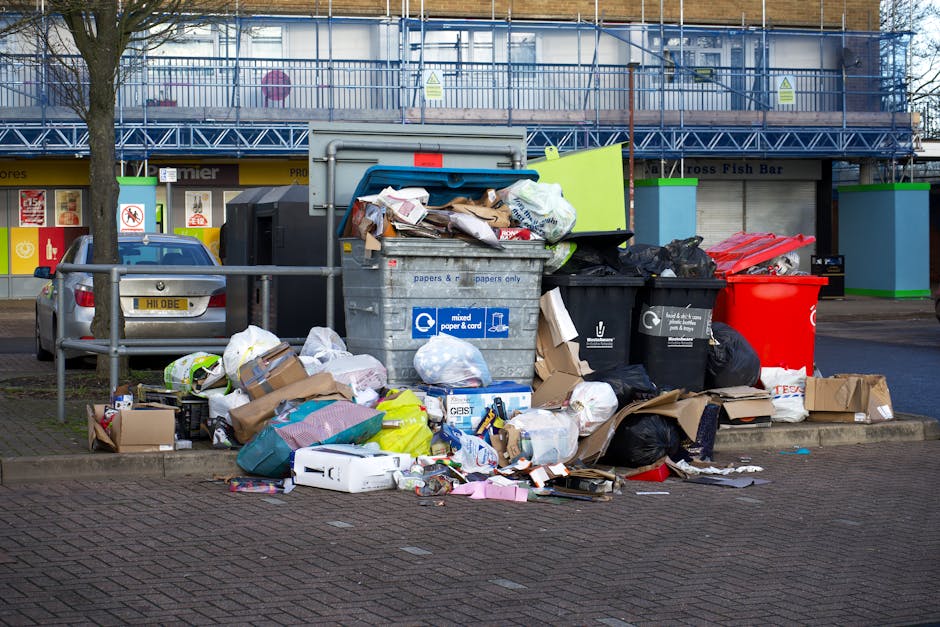
Why Council permits for bulky rubbish disposal in Kensington Matters
Kensington is one of those places where waste disposal is rarely just about waste. Streets can be narrow, parking can be tight, access can be awkward, and a bulky item placed carelessly can block a pathway in no time. That matters because the council, neighbours, building managers, and even delivery drivers all need to keep moving. A sofa on the kerb may look temporary to you; to everyone else, it can look like an obstruction waiting to happen.
In practical terms, council permission becomes relevant whenever rubbish is placed in a public space, even briefly. That can include part of the road, a bay, a footway, or a communal frontage. If you are arranging a large clear-out, you need to think not only about removal, but about where the items will sit while waiting to be collected. And yes, that tiny detail is often where jobs get delayed.
There is also the reputational side. In a neighbourhood where many people care about clean streets and orderly shared spaces, leaving bulky items out without the right arrangement can create friction. If you are a landlord, letting agent, or property owner, that can quickly become a problem you did not budget for. You can avoid a lot of that stress with a bit of planning, and it is usually far easier than it sounds.
If you are dealing with a move, renovation, or tenant turnover, it helps to think beyond the rubbish itself. A well-timed collection protects access, keeps the site tidy, and reduces the odds of complaints. For some situations, the smarter route is to use a direct collection service rather than rely on a long public placement. Our services overview is a useful starting point if you want to compare disposal options without committing too early.
Expert summary: In Kensington, bulky rubbish is rarely just "put it outside and wait." The placement, timing, access, and property context all matter. If the waste touches public space, assume you need to check the rules first.
How Council permits for bulky rubbish disposal in Kensington Works
The exact process can vary depending on the type of waste, the location, and whether you are using council collection arrangements or a private removal service. But the basic principle is straightforward: if bulky items are going to occupy public land, permission may be needed before they are left there. That permission can relate to skips, cages, sacks, or temporary placements for loading and collection.
For a typical household clear-out, the workflow often looks like this: identify the items, decide whether they can be taken from inside the property or need to be staged outside, check whether the frontage is private or public, and then confirm what arrangement is appropriate. In a flat block, the answer may be different from a terrace house. In a narrow street, it may be different again. To be fair, Kensington has enough property types to keep everyone on their toes.
If a permit is required, it is usually tied to a specific location and timeframe. That means the item or container cannot just sit there indefinitely. Timing matters. So does visibility. You want the collection to happen when the site is active and the items are ready, not the next day when rain has soaked the cardboard and everything has become a bit of a mess.
Some jobs do not need a permit because the waste is collected directly from private property, such as a driveway, courtyard, or internal loading point. In those cases, the job is simpler, but access still needs to be planned. If the pavement is blocked by parked cars or building works, even a permit may not solve the practical problem. Kensington streets can be a little unforgiving that way.
If you are dealing with a larger clear-out, especially one involving builders' spoil or mixed waste, it can be useful to review builders' waste clearance in Kensington so you can separate domestic bulky waste from construction debris. That distinction can affect both handling and compliance.
Key Benefits and Practical Advantages
Getting the permit side right is not just about avoiding trouble. It also makes the whole clear-out smoother. The biggest benefit is simple: fewer surprises. When the disposal plan is clear from the beginning, you can book labour, arrange access, and avoid last-minute reshuffling. That saves time, and frankly, it saves nerves too.
Another major advantage is keeping the property tidy and safe. Bulky waste left around a front path can become a trip hazard, a visual nuisance, or an obstruction for residents and visitors. In a residential street, that can matter a lot more than people expect. A clear, compliant setup makes the job look professional and keeps everyone safer.
There is also a financial benefit. If you choose the wrong method, you may pay more through delays, rescheduling, or avoidable penalties. A simple permit check can help you avoid that. For landlords and property managers, this is especially important because a delay can affect handovers, cleaning, viewings, or incoming tenants. If you want more context on this side of the market, common rubbish collection problems for Kensington landlords is worth a look.
And let's not forget convenience. The right arrangement means fewer back-and-forths. You do not want to drag a wardrobe downstairs twice because the collection plan was not quite right the first time. Nobody needs that on a Tuesday morning.
- Less risk of obstruction or complaint
- Cleaner handovers for renters, buyers, or contractors
- Better access planning for narrow streets and shared entrances
- Reduced chance of avoidable fees or delays
- More predictable collection timings
Who This Is For and When It Makes Sense
This topic matters to far more people than just homeowners with an old sofa. In Kensington, bulky waste decisions affect tenants, landlords, estate managers, offices, retail units, event organisers, and builders. If your items are large enough to need special handling, or if they need to sit outside before collection, you should think about the permit question early.
It is especially relevant if you are:
- Clearing a flat after a move-out
- Replacing large furniture during a refurbishment
- Managing end-of-tenancy waste for a rental property
- Preparing a home for sale or staging
- Removing office furniture or redundant fixtures
- Handling event waste or temporary site waste
- Arranging clearance after garden works or building works
Sometimes the answer is obvious. If you have a lot of bulky items and limited access, a direct collection service is usually the cleanest solution. In other cases, a skip or staged loading plan may be more practical. The key is matching the method to the site. A basement flat on a busy road is a very different story from a house with a private forecourt.
For residents who are new to the area, it helps to understand how local living patterns shape waste arrangements. Kensington has its own rhythm: busy mornings, tight parking, and frequent property turnover. If you are still getting to know the area, our piece on whether Kensington is ideal for residents gives useful context, and this Kensington neighbourhood guide helps explain why access can be trickier than it looks on a map.
Step-by-Step Guidance
Here is a practical way to handle bulky rubbish in a sensible order. Keep it simple. The jobs that go well usually start with the unglamorous stuff: measuring, checking access, and confirming who can do what, where.
- List the items. Separate large household items, white goods, mattresses, and any material that may need special handling.
- Check the location. Decide whether the waste will be kept on private land or whether any part will sit on a public pavement, road, or shared frontage.
- Review access. Look at stairs, lifts, door widths, parking, and loading space. If access is poor, factor that in early.
- Choose the disposal method. Direct collection, skip hire, or a mixed clearance job each suit different situations.
- Confirm permit needs. If anything will be placed on public land, treat permit checks as a priority rather than an afterthought.
- Schedule the timing. Book collection when the items are ready and access is free. Avoid leaving it to the last minute if the building has strict hours.
- Prepare the items. Remove loose contents, group compatible waste types, and keep walkways clear.
- Inspect the finish. Once collected, make sure the area is tidy and there is no stray packaging, screws, or broken wood left behind.
If your clear-out includes a whole room or several rooms of mixed items, a more comprehensive service may be better than trying to piece everything together yourself. For example, house clearance in Kensington can be a smarter fit than one-off removal when a property needs to be emptied quickly and cleanly.
Expert Tips for Better Results
Here is the part most people appreciate after the job is done: the small things that make the difference. First, always plan from the access point backwards. Do not start with the sofa and work out where it will go later. Start at the pavement, loading area, or building entrance and ask whether the route is realistic. That simple shift saves so many headaches.
Second, keep bulky waste separate from recyclables whenever possible. Mixed loads can be handled, but separation usually makes the process cleaner and easier to manage. It also helps if you care about recycling outcomes, which many Kensington residents do. A lot of people do, actually. They just want the process to be painless.
Third, take photos before collection if the job involves a landlord, tenant, managing agent, or contractor. It is not about being difficult; it is about clarity. A quick set of images can resolve disputes about what was there, what was removed, and what remained.
Fourth, if the street is narrow or parking is unreliable, allow more time than you think you need. Same-day jobs can still be done in many cases, but access and traffic can stretch the schedule. We explain this in more depth in why same-day rubbish removal gets delayed in Kensington, and it is a useful reality check.
One more small thing: keep neighbours informed if your items may be visible or if the collection window is early. A short note or message can prevent a lot of unnecessary tension. People are usually reasonable when they know what is happening.

Common Mistakes to Avoid
The biggest mistake is assuming bulky waste is treated like ordinary household bin rubbish. It is not. Large items need planning, and in Kensington that planning often includes access, timing, and location checks. The second biggest mistake is leaving items on the street "just for a bit" without checking whether that is actually allowed. That is where avoidable problems start.
Other common mistakes include:
- Underestimating the size or weight of furniture and appliances
- Forgetting about stairwells, lifts, or doorway widths
- Leaving collection arrangements until the day before moving out
- Mixing bulky waste with prohibited materials
- Blocking shared access routes in flats or terraces
- Assuming a permit covers all situations and all timings
It is also easy to overlook how local street layout affects the plan. Kensington has plenty of elegant homes, but elegance does not always equal easy access. A narrow mews, basement conversion, or terraced property can turn a simple disposal job into a bit of a puzzle. That is why our guide to bulky rubbish access on narrow Kensington streets is so relevant to real-world planning.
And yes, one more mistake: forgetting to consider the cleanup after the removal. A site can look clear but still have debris on the floor or in a side passage. It happens more often than people admit.
Tools, Resources and Recommendations
You do not need anything fancy, just a few practical tools and a decent plan. A tape measure is surprisingly useful. So is a phone camera, a notepad, and a basic checklist of items. If you are managing a property or a move, those simple things will help you avoid guesswork.
For more complex jobs, it helps to think in categories:
- Furniture disposal for sofas, chairs, wardrobes, tables, and beds
- Garage clearance for old tools, boxes, small appliances, and mixed clutter
- Loft clearance for stored household items and awkward-to-reach waste
- Office clearance for desks, chairs, filing units, and redundant equipment
- Garden waste removal for branches, soil-related waste, and outdoor debris
Those categories matter because each one can affect labour needs, access, and loading time. If your waste is spread across the property, a broader clearance service may be more efficient. For example, furniture disposal in Kensington works well for individual large items, while loft clearance is better when the issue is accumulated storage rather than one or two objects.
If you want to understand how the wider service fits together, recycling and sustainability is a useful page to review, especially if you care about separating reusable or recyclable materials. And if you are comparing pricing, pricing and quotes can help you think through the commercial side without rushing.
Law, Compliance, Standards, or Best Practice
This is the section where caution matters. Waste disposal rules can involve council permissions, local parking or loading restrictions, property rules, and general public safety considerations. I would not try to wing it, especially in Kensington. Even when a job seems small, the location can make it a compliance issue if waste is left where it should not be.
Best practice usually means three things: keep waste on private land where possible, minimise the time bulky items spend outside, and confirm permissions before anything touches a public street or pavement. If your project involves a skip or a temporary container, check whether a permit is required for that placement rather than assuming it can just sit there. Similarly, if you are clearing a block or managed property, review any building or lease rules that affect common areas.
In shared housing, landlords and managing agents should be particularly careful. Waste left in communal parts can become an access and fire-safety issue, not just a tidiness issue. It is also good practice to use insured, properly managed removal arrangements. If safety standards matter to you - and they should - our insurance and safety page explains the kind of reassurance you should expect from a professional service.
There is no sensible shortcut here. Check the rules, protect access, and document the plan. That is the safe route, and usually the cheapest one in the end.
Options, Methods, or Comparison Table
Different situations call for different disposal methods. A one-size-fits-all approach can work on paper, but in the real world it often creates extra handling or avoidable delays. This table gives a simple comparison.
| Method | Best for | Strengths | Things to watch |
|---|---|---|---|
| Council-arranged bulky waste collection | Small to moderate household bulky items | Simple for residents, good for straightforward clear-outs | May involve timing limits, placement rules, and access constraints |
| Private bulky rubbish removal | Homes, landlords, offices, and mixed clearances | Flexible, often faster, can be collected from inside the property | Needs good access and clear item lists |
| Skip hire | Longer jobs, refurbishments, ongoing waste generation | Useful for staged loading and larger volumes | May need a permit if placed on public land |
| Full property clearance | End-of-tenancy, probate, sale preparation, major declutter | Most comprehensive and time-efficient | May cost more than a simple one-off collection |
In a compact Kensington street, the private removal route often wins because it reduces the need for waste to sit outside. But if you are running a longer renovation, skip hire can still make sense. The "best" option is the one that fits the site, not just the load size. That sounds obvious, but people forget it all the time.
If you are comparing practical clearance routes, you may also want to look at rubbish clearance in Kensington, junk removal, and skip hire to see which approach aligns with your timeline.
Case Study or Real-World Example
Picture a typical Kensington flat move in early spring. A couple are leaving a third-floor apartment with a bulky sofa, a mattress, two wardrobes, and several boxes of odds and ends. The entrance is shared, the street is narrow, and parking is unpredictable. At first, they assume they can just place the items outside the night before. Then they realise that doing so could block the pavement and create problems with neighbours and building rules.
Instead, they map out the access route, check how the items will get downstairs, and arrange collection for a window when the road is quieter. They separate what can be recycled from what must be disposed of. They also make sure nothing needs to wait on the public pavement longer than necessary. The result? No scramble at the end, no awkward pile outside the building at dawn, and no last-minute stress while they are already juggling keys, cleaners, and removals.
That kind of planning sounds unexciting until you are the one carrying boxes at 7:30 in the morning. Then it feels like a gift. If the property had been a terrace with tighter access, the plan might have been different again. That is the point: the right solution depends on the actual layout, not just the size of the pile.
For event-related clearances, the same principle applies. If waste or equipment needs to be removed after a function, timing and access become everything. Our article on Kensington Palace rubbish clearance for events shows how event logistics can influence disposal planning, and the lesson carries over to everyday bulky waste too.
Practical Checklist
Use this checklist before booking or placing anything outside. It is plain, but it works.
- Have I listed every bulky item that needs removing?
- Do any items need special handling or separation?
- Will anything be placed on a public road, pavement, or shared area?
- Do I know whether a permit or special arrangement is required?
- Is there enough access for removal without blocking the building?
- Have I checked lift size, stair width, and doorway clearance?
- Do I know the collection time and how long items may wait outside?
- Have I told neighbours, tenants, or building management if needed?
- Have I taken photos for reference before the clear-out starts?
- Is the site left tidy after removal, with no loose debris behind?
If you can answer "yes" to most of those, you are in decent shape. If not, pause and sort the gaps first. That small pause can save you a lot later.
Conclusion
Council permits for bulky rubbish disposal in Kensington are really about one thing: making sure a large, awkward job does not become a public nuisance or a logistical headache. When you understand where the waste will sit, how it will be moved, and whether public space is involved, the rest becomes much easier to manage. The details matter, especially in a neighbourhood with narrow streets, shared access, and a lot of property turnover.
The safest approach is usually to plan early, keep waste on private land where possible, and use a method that fits the property rather than forcing the property to fit the method. That is the difference between a stressful clear-out and a smooth one. And honestly, life's too short for dragging a wardrobe out twice.
If you are preparing a flat, house, office, or rental property for clearance, it is worth choosing a team that understands local access issues, timing pressure, and the practical side of compliant disposal. When you are ready to take the next step, you can review the available options, compare your situation, and get advice that fits your property rather than a generic template.
Get a free quote today and see how much you can save.
Sometimes the best progress is simple: clear the space, follow the rules, and breathe a little easier once it is done.



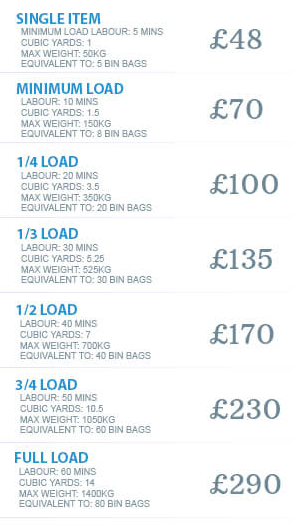
 Tipper Van - Rubbish Removal and Waste Disposal Prices in Kensington W8
 Luton Van - Rubbish Removal and Waste Disposal Prices in Kensington W8