Common problems with rubbish collection for Kensington landlords
Posted on 24/06/2026
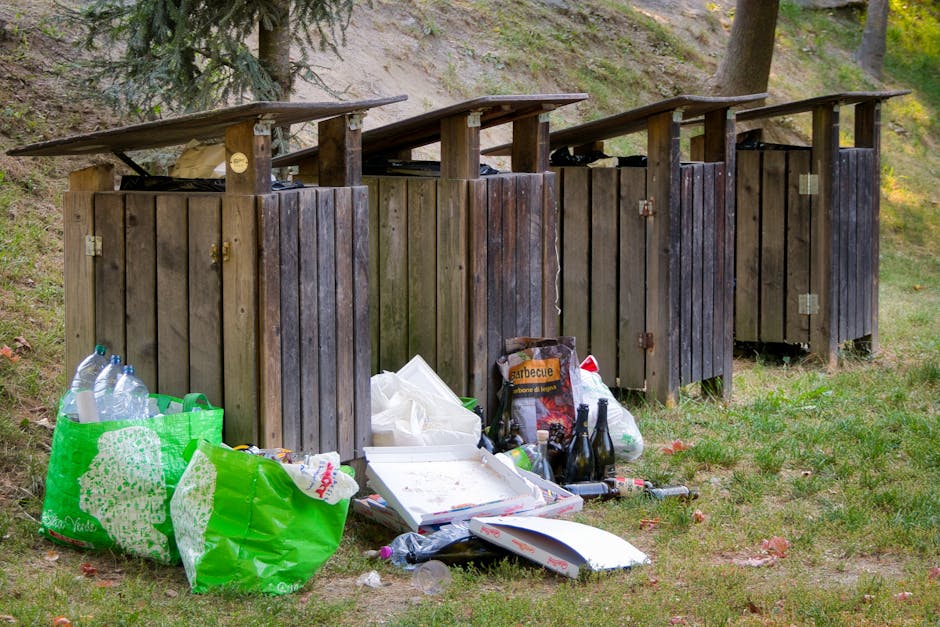
If you rent out property in Kensington, rubbish collection can become one of those quietly expensive headaches that keeps showing up at the worst possible moment. A tenant moves out and leaves furniture behind. A refurbishment fills the hallway with sacks and packaging. A collection is booked, then the team cannot get close enough to the building. It sounds simple until you are the one dealing with bins, access, complaints, and a deadline.
This guide looks at the common problems with rubbish collection for Kensington landlords, why they happen, and what to do about them before they turn into wasted time or unnecessary cost. We will also cover the practical side: access issues on narrow streets, bulky waste, landlord responsibilities, and the kind of planning that makes life easier for both you and your tenants. To be fair, a lot of stress disappears once you have a tidy process.

Why this matters for Kensington landlords
Rubbish collection is not just a housekeeping issue. For landlords, it affects tenant satisfaction, property presentation, letting speed, neighbour relations, and sometimes even compliance. In Kensington, those pressures can feel sharper because properties are often in converted buildings, terraces, mansion blocks, or homes with limited outside storage. That means waste has nowhere to hide. It has to be managed properly, and quickly.
There is also the reputational side. A clean, well-managed property feels cared for. Overflowing bags in a front garden or old furniture in a communal hallway sends the opposite message. If you manage several units, the problem multiplies. One missed collection can lead to complaints from a tenant, a managing agent, or a neighbour who has to walk past it every morning.
Another issue is timing. End-of-tenancy clearances, late refurbishments, and same-day removals often happen under pressure. That is exactly when access issues, parking restrictions, and poor planning cause delays. If you want a deeper local perspective on Kensington as a place to rent and invest, the article on Kensington real estate and investment considerations gives useful background, and buying and selling homes in Kensington is also relevant when you are planning turnover or refurbishment work.
Expert summary: for Kensington landlords, rubbish collection problems usually come down to access, timing, unclear responsibility, and bulky or mixed waste. Get those four things under control and most of the stress drops away.
How rubbish collection typically works
In practical terms, rubbish collection for a landlord usually falls into one of a few situations: regular household waste, tenant leave-behind items, post-renovation waste, garden waste, or a full property clearance. Each one needs a slightly different approach. That is where people sometimes get caught out. What looks like a simple bin collection can turn into a mini-project once a sofa, mattress, broken wardrobe, and some loose rubbish are all involved.
Most landlords start by identifying what needs removing, how much there is, and whether it includes anything awkward such as white goods, electricals, construction debris, or contaminated items. Then comes access: can the waste be taken from inside the property, a rear garden, a basement flat, or a tight front entrance? On narrow Kensington streets, access can be the deciding factor. One van can sit on a road beautifully in theory and still be unusable in practice. If that sounds familiar, the piece on bulky rubbish access on narrow Kensington streets is worth a look.
From there, the collection is arranged with the right method. Some jobs suit a small team and hand loading. Others need a larger clearance approach, especially where there is more than a few bags. In some cases, landlords compare options like ad hoc rubbish collection, full house clearance, or even skip hire. The best choice depends on volume, access, speed, and whether the waste is mixed. If you want a broad overview of the available services, the services overview is a sensible starting point.
One more thing: in London, timing matters. Same-day service is possible in some cases, but not always. Traffic, loading restrictions, and building access can all push a collection back. There is a useful local explanation in why same-day rubbish removal is delayed in Kensington. It explains why a quick fix sometimes takes a bit more orchestration than expected.
Key benefits and practical advantages
When rubbish collection is handled properly, landlords get more than a tidy property. They get smoother turnovers, fewer complaints, and less risk of missed rent days caused by delays in preparing a unit. That is the real payoff. Not glamorous, perhaps, but very useful.
- Faster re-letting: a clear, clean property photographs better and feels ready sooner.
- Fewer disputes: when responsibility for waste is clearly handled, there is less back-and-forth with tenants.
- Better tenant experience: tenants do notice if a landlord is organised. It builds trust.
- Reduced risk of nuisance: no stray waste attracting smells, pests, or neighbour complaints.
- Better building presentation: especially important in Kensington, where shared entrances and first impressions matter.
There is also a practical advantage for landlords who manage older or higher-value properties. Clear waste routes and routine removal plans help preserve common areas. That matters if the property sits in a managed block or a terrace with shared access, where one messy turnover can affect the whole building. The local guide to waste removal services for terraces offers a good example of how these smaller logistical details can make a big difference.
And yes, there is a sustainability angle too. Responsible waste handling and recycling are increasingly expected, not just appreciated. If you are thinking about greener disposal choices, the page on recycling and sustainability is a useful reference point.
Who this is for and when it makes sense
This topic matters to a wide range of Kensington landlords, not just large portfolio owners. If you let one flat above a shop, a townhouse, or a converted maisonette, rubbish collection can still become a recurring issue. Truth be told, smaller landlords are often the ones who feel it most because they have less time and fewer internal systems.
You are most likely to need a clear rubbish collection plan if you are:
- dealing with tenant changeovers
- managing an empty property between lets
- preparing for refurbishment or decorating
- clearing a loft, garage, or storage area
- handling bulky furniture disposal after a tenancy ends
- trying to keep communal areas tidy in a shared building
It also makes sense when you are handling special circumstances, such as post-event waste, garden clearance, or unexpected tenant abandonment. For example, if a property is used for short lets or occasional events, the waste profile changes quickly. A useful related read is best spots for parties in Kensington, because properties used for higher-turnover occupancy often create more short-notice waste than standard long lets.
If you are still deciding whether Kensington is the right market to hold or grow a portfolio in, the local perspective in is Kensington ideal for residents? may help you understand the kind of expectations tenants have in the area. And if you are looking at wider local context, a guide to the enchanting neighbourhood of Kensington London gives useful background on the area's character and housing stock.
Step-by-step guidance for handling collections
- Identify the waste type. Separate general rubbish from bulky items, electricals, garden waste, and anything that may need special handling.
- Estimate the volume honestly. A "few bags" can become a van-load once it is sorted. Be realistic. It saves trouble later.
- Check access before booking. Note narrow hallways, stairs, basement steps, parking limits, and any locked gates or timed entry restrictions.
- Decide whether the job is collection or clearance. A small rubbish collection may be enough. A whole-flat exit or refurbishment may need a broader clearance service.
- Confirm responsibility with the tenant or agent. Make sure everyone knows who is removing what. This avoids the classic "I thought you were dealing with it" exchange. We all know that one.
- Choose the right date and time window. In Kensington, this matters more than people expect. Morning slots often work best for access and parking.
- Keep a short record. A simple note or photo trail can help if there is later confusion about condition, contents, or completed removal.
A small but useful habit: photograph the property before and after the collection. Not in a dramatic way, just as part of routine management. It can help with handovers, deposit discussions, and contractor follow-up. Nothing fancy. Just practical.
If the rubbish includes furniture, broken appliances, or a full room clearance, consider whether a targeted service such as furniture disposal in Kensington, house clearance, or junk removal fits better than a generic pick-up. The right match often saves both time and money.
Expert tips for better results
One of the best ways to reduce rubbish collection problems is to stop treating each job like a surprise. Once you have seen a few turnover cycles, patterns start to appear. Tenants leave more waste at the end of winter. Refurbishments generate more packaging than anyone expects. Garden jobs look small until the bags are stacked. It is all very normal.
Here are a few things that genuinely help:
- Set expectations early. Put rubbish responsibilities into tenancy documents or move-out instructions in plain English.
- Use the right service for the job. A simple bin lift is not the same as a full property clearance.
- Plan for awkward access. Basement flats, upper floors, and shared hallways can slow a collection down, so mention them upfront.
- Keep communal areas clear. If you manage a block, avoid letting bags accumulate in shared spaces even "just for one night".
- Ask about recycling segregation. Mixed waste is often harder to process, so sorting where practical can help.
- Build a go-to supplier list. When a tenant leaves rubbish behind on a Friday afternoon, you do not want to start researching from scratch.
A good local waste partner should also be comfortable talking about safety, insurance, and access. The page on insurance and safety is a reminder that these aren't decorative extras. They matter when heavy items, stairs, and tight spaces are involved.
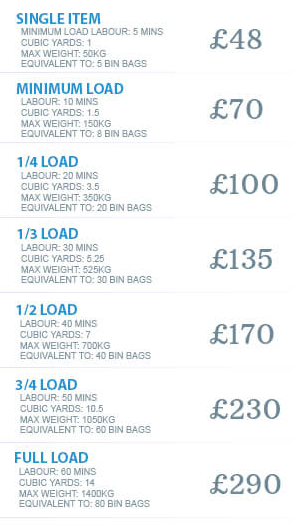
And if you are comparing services or need a clearer sense of what is included, it is worth looking at pricing and quotes before you book. It is much easier to compare like with like when the scope is clear from the start.

Common mistakes to avoid
The most common landlord mistake is underestimating the scale of the problem. A small pile in a hallway can hide a surprisingly large amount of waste once it is loaded, sorted, and moved. Another classic issue is assuming the tenant will handle everything without checking. Sometimes they do. Sometimes they absolutely do not.
- Leaving rubbish until the last day. This creates pressure, especially if access or parking is limited.
- Not clarifying responsibility. If it is not written down, people tend to remember the arrangement differently.
- Booking the wrong service type. A collection service may not suit a full clearance job.
- Ignoring bulky items. One old sofa can turn an easy job into a logistical puzzle.
- Overlooking safety. Heavy lifting through narrow stairs is not something to wing.
- Forgetting about building rules. Shared entrances, concierge hours, and loading restrictions can all affect timing.
One more thing: do not assume "same day" means "any time today". In busy parts of Kensington, same-day service can still depend on access, route planning, and whether the team can physically reach the property without disrupting neighbours. That's just the reality.
Tools, resources and recommendations
You do not need a complicated system, but a few simple tools make life easier. The best setup is usually a combination of planning, records, and a clear service choice. If you manage several units, a shared spreadsheet or property-management note can help track end-of-tenancy dates, waste issues, and recurring problem properties.
Useful things to have on hand include:
- a move-out checklist for tenants
- a photo record template for before-and-after condition
- a list of accepted waste types for each property
- contact details for a reliable collection team
- access notes for each building, including entry codes and parking constraints
For more specialised jobs, you may also need a matching service. A refurbishment may require builders waste clearance, while a cluttered loft may be better handled through loft clearance. A tired garage or back room might call for garage clearance. The point is simple: match the tool to the mess.
If your property includes outdoor space, consider garden waste removal rather than leaving hedge cuttings or soil bags to build up. For mixed domestic and light commercial turnover, rubbish collection in Kensington is often the most straightforward starting point.
Law, compliance, standards and best practice
Landlords should be careful about waste handling because it is not just a practical matter. In the UK, there are expectations around responsible disposal, duty of care, and using legitimate waste carriers. You do not need to become a compliance expert overnight, but you do need to make sensible choices and keep basic records when waste is removed on your behalf.
Best practice usually means:
- using a reputable waste contractor
- keeping proof of collection where appropriate
- avoiding fly-tipping risk by checking who removes the waste
- sorting hazardous or specialist items carefully
- not leaving waste in shared areas longer than necessary
If you are managing a property through an agent or block manager, check how responsibilities are divided. Some matters fall to the tenant, some to the landlord, and some to the managing agent or freeholder under the building rules. It sounds messy, and sometimes it is, but the more clearly you define it, the fewer problems you will have later.
When in doubt, keep the process simple and documented. Use a service that is clear about what it removes, how it handles waste, and what happens if access turns out to be more difficult than expected. The page on terms and conditions is worth reviewing for that reason, and the privacy policy and cookie policy pages show the kind of transparency you should expect from a professional site.
Options and comparison table
Choosing the right rubbish solution is easier when you compare the main approaches side by side. The best choice depends on volume, urgency, and access. There is no single winner for every job, which is a bit annoying, but also true.
| Option | Best for | Strengths | Limitations |
|---|---|---|---|
| Routine rubbish collection | Small, regular or straightforward waste | Quick, simple, low fuss | Not ideal for bulky or mixed items |
| House clearance | Full moves, end-of-tenancy emptying, abandoned contents | Covers more ground in one visit | May be more than you need for minor jobs |
| Furniture disposal | Sofas, beds, wardrobes, chairs | Good for bulky single items | Not designed for all waste types |
| Builders waste clearance | Refurbishment debris, packaging, light construction waste | Handles renovation mess properly | May need access planning and clear item types |
| Skip hire | Longer projects with enough space for a skip | Useful for staged work | Requires space, permits may be relevant, and loading can be slower |
If you are weighing up costs and service style, the comparison usually comes down to the shape of the job rather than the headline price alone. A cheap option that does not fit the building can become the expensive one very quickly. In Kensington, access often decides everything.
Case study or real-world example
Imagine a landlord with a two-bedroom flat just off a busy Kensington street. The tenant moves out on a Thursday, leaving a broken bed frame, packaging from a flat-pack wardrobe, several bin bags, and an old desk. The property also sits on the second floor, with a narrow stairwell and limited loading space outside. On paper, it looks like a one-hour job. In real life, it is more like a small logistical puzzle.
The landlord's first mistake is to assume the tenant will take everything away themselves. When that does not happen, the flat sits half-cleared for an extra day. The cleaner cannot start properly, the photographer has to be rescheduled, and the new tenant's move-in prep gets pushed back. Small delay, bigger knock-on effect. That is how these things work.
The better approach is to separate the waste into manageable types, confirm access details early, and book a service suited to the actual load rather than a vague estimate. In this example, a combination of rubbish collection and furniture disposal would be more suitable than trying to force a general solution. If there had been builder's dust or damaged fixtures after repairs, builders waste clearance might have been needed too.
By the end, the difference is not just a cleaner flat. It is a smoother turnover, less stress, and fewer emails chasing the same problem. That is the real win.
Practical checklist
Use this checklist before your next collection.
- Identify what type of waste needs removing
- Check whether anything is bulky, heavy, or awkward
- Confirm who is responsible: tenant, landlord, or agent
- Record access details for the property
- Check for stairs, narrow hallways, or restricted parking
- Decide whether you need collection, clearance, or furniture disposal
- Separate recyclable items where practical
- Set a collection time that suits the building and neighbours
- Keep notes or photos before and after the job
- Review whether the same issue keeps happening and fix the root cause
Simple checklist, yes. But simple is often what works best.
Get a free quote today and see how much you can save.
Conclusion
The common problems with rubbish collection for Kensington landlords usually come down to access, timing, waste type, and unclear responsibility. None of that is exotic. It is just the everyday friction that appears when property management meets real life. The good news is that most of it is avoidable with a little structure.
If you plan ahead, match the service to the job, and keep communication clear with tenants and contractors, rubbish stops being a recurring nuisance and becomes a manageable part of the letting process. That leaves you with a cleaner property, a calmer turnover, and fewer unpleasant surprises. Not a bad outcome, really.
And if you are still piecing together a better process for your Kensington properties, start small, stay consistent, and trust the boring systems. They usually save the day.