Avoid fines with correct waste disposal in Kensington council
Posted on 25/10/2026

Avoid fines with correct waste disposal in Kensington council: a practical local guide
If you live, work, manage property, or run a business in Kensington, waste disposal is not something you want to "sort out later". One wrong placement of a bin bag, the wrong skip, or a missed rule for bulky items can quickly become an expensive headache. This guide explains how to avoid fines with correct waste disposal in Kensington council, without the jargon and without the guesswork.
You will find a clear breakdown of what matters, how the process usually works, where people go wrong, and how to keep everything tidy, lawful, and low-stress. We will also touch on the kinds of waste streams that commonly cause trouble in Kensington, from garden cuttings and old furniture to builders' debris and office clearances. Let's face it, rubbish rules are rarely thrilling. But a fine is even less thrilling.
- Why it matters
- How it works
- Key benefits and practical advantages
- Who needs this and when it makes sense
- Step-by-step guidance
- Expert tips for better results
- Common mistakes to avoid
- Tools, resources and recommendations
- Law, compliance and best practice
- Options, methods, or comparison table
- Case study or real-world example
- Practical checklist
- Conclusion
- Frequently asked questions
Why Avoid fines with correct waste disposal in Kensington council Matters
Correct waste disposal matters for three reasons: compliance, public safety, and neighbourhood standards. Kensington is a busy part of London with narrow streets in places, frequent collections, mixed property types, and a lot of foot traffic. That combination means waste that is left out of place tends to stand out. Fast.
Improper disposal can create several problems at once. It may block pavements, attract complaints from neighbours, create access issues for collectors, or lead to the wrong type of waste being handled in the wrong way. Even if the mistake feels minor, councils generally treat fly-tipping, unauthorised dumping, and badly managed waste seriously because the impact spreads beyond one household.
There is also a reputational side to it. For landlords, managing agents, and businesses, one messy waste incident can create friction with residents or customers. In our experience, a simple clear-out often becomes a bigger issue not because the waste is difficult, but because nobody confirmed the correct route first. That is the bit people skip.
For local residents, correct disposal is also about everyday convenience. A clean frontage, a sensible collection plan, and the right container or removal method can make a property feel calmer and more organised. You notice it on a wet Monday morning when the street is already busy; the place just functions better when rubbish is dealt with properly.
If you want a broader view of the local area and how daily life works here, you may also find a guide to the neighbourhood of Kensington London helpful.
How Avoid fines with correct waste disposal in Kensington council Works
At a practical level, correct waste disposal in Kensington usually comes down to matching the waste to the right method, placing it at the right time, and using a lawful collector or service where needed. Sounds simple, but the details matter.
Here is the basic pattern:
- Identify the type of waste.
- Check whether it is household, commercial, garden, bulky, electrical, builders', or mixed waste.
- Decide whether it can go through normal collections, a council-approved arrangement, a permitted skip, or a professional clearance service.
- Make sure the waste is stored, presented, and handed over correctly.
- Keep records where appropriate, especially for business waste or recurring clearances.
That last point is often overlooked. If you are a landlord or business owner, having evidence of who collected the waste, when it was taken, and what was removed can be valuable if questions come up later. It is not glamorous admin, granted, but it does save hassle.
One useful way to think about it is this: if your waste is likely to inconvenience the public, escape from packaging, or exceed normal household bin capacity, it deserves a proper disposal plan rather than an improvised one.
For larger or recurring jobs, many people look for structured support through the services overview or book a dedicated rubbish clearance service in Kensington instead of trying to manage everything alone.
Key Benefits and Practical Advantages
Doing waste disposal properly is not just about dodging fines. There are several practical wins that come with getting it right from the start.
- Lower compliance risk: fewer chances of enforcement action, complaints, or awkward calls from neighbours and managing agents.
- Cleaner access routes: no blocked hallways, pavements, or front gardens waiting for collection.
- Better recycling outcomes: separating waste properly makes reuse and recycling far easier.
- Less stress: you know where the waste is going and who is responsible for it.
- Better property presentation: important if you are selling, letting, or hosting visitors.
- Safer handling: less chance of broken glass, sharp materials, or heavy items being moved badly.
There is also a subtle but real benefit: time. Once waste starts to pile up, decision-making gets worse. People begin moving things from room to room, then into the hallway, then to the side of the building. Before long, the job is bigger than it needed to be. A clear disposal plan stops that snowball effect.
If you are comparing removal options, it can help to see what fits the specific job. For example, a garage clear-out is very different from an office disposal or garden waste collection. The wrong method can cost more in time and effort than it saves in money.
Who This Is For and When It Makes Sense
This topic is relevant to more people than you might think. It is not just for people with a pile of builder's rubble outside the house.
- Homeowners clearing lofts, garages, kitchens, or general clutter.
- Renters who need to dispose of items before moving out.
- Landlords and letting agents dealing with tenancy changeovers.
- Businesses disposing of office furniture, electronics, and packaging waste.
- Contractors and tradespeople handling builders' waste and site leftovers.
- Event organisers managing temporary waste after parties or functions.
It makes sense whenever the waste is too bulky, too much, too mixed, or too awkward for standard bins. That includes things like sofas, mattresses, broken wardrobes, old shelving, hedge cuttings, mixed renovation waste, and office clear-out debris. Sometimes even a single item can cause trouble if it cannot be safely moved through the usual route.
For landlords especially, the common pain point is timing. A tenancy ends, the new tenant is waiting, and there is a narrow window to remove unwanted items. The wrong disposal plan can delay everything. If that sounds familiar, common problems with rubbish collection for Kensington landlords is worth a read.
Step-by-Step Guidance
Here is a practical way to handle waste disposal properly in Kensington without overcomplicating it.
- Sort the waste by type. Separate general rubbish, reusable items, recyclables, garden waste, electricals, and builders' material where possible.
- Identify anything special. Paint, chemicals, fridges, mattresses, and construction debris often need extra care or a specific disposal route.
- Check access. Kensington streets and mews properties can be tight. Measure doorways, stair turns, shared entrances, and kerb space before choosing your method.
- Choose the right collection method. A regular bin collection, bulky waste arrangement, skip hire, or same-day clearance each serves a different purpose.
- Prepare the waste properly. Bundle safe materials, seal loose bagged waste, and keep sharp or broken items protected.
- Set the timing carefully. Put items out only when allowed. Early placement can create complaints or expose waste to weather and passers-by.
- Confirm lawful collection. Use a service that can show clear documentation and handles waste responsibly.
- Keep proof. Save receipts, job references, or written confirmation in case you need to show how the waste was removed.
A small but useful habit: take a photo before the waste leaves the property. It sounds almost too simple, but it can help settle disputes later, especially in shared buildings or rental properties.
For awkward access situations, this article on bulky rubbish access on narrow Kensington streets is particularly relevant. Kensington is full of elegant buildings and, frankly, a few logistical headaches.
Expert Tips for Better Results
Here are the tips that make the biggest difference in real life. Not the flashy ones. The useful ones.
- Always check mixed waste early. A job that starts as "just a few bits" often becomes mixed waste once you begin clearing cupboards or storage rooms.
- Plan for the awkward item first. If there is a sofa, wardrobe, or old appliance, decide how it exits the property before you move everything else.
- Keep recycling separate. It makes the clear-out more efficient and reduces contamination.
- Use a professional for time-sensitive clearances. Same-day pressure is where mistakes happen, especially in busy streets.
- Think about neighbours. Noise, blocked access, and fly-tipping risks all matter in shared spaces.
- Ask about safety and insurance. This matters more than people realise, especially for heavy lifting or tricky access.
One more thing. If a disposal option seems suspiciously easy or unusually cheap, pause. Correct waste handling has costs attached to transport, labour, sorting, and lawful disposal. A too-good-to-be-true offer can become a very expensive mistake later. Nobody wants to pay twice.
For broader reassurance on how work is handled, it can be useful to review insurance and safety information before booking any clearance.
Common Mistakes to Avoid
Most waste fines and waste headaches come from a handful of repeat mistakes. The good news is that nearly all of them are avoidable.
- Leaving waste out too early. This can obstruct pavements and create complaints or enforcement attention.
- Mixing restricted items with general rubbish. Not everything belongs in the same bag or pile.
- Using an unverified collector. If waste is dumped later, the original owner can still face questions.
- Underestimating volume. What looks like two loads often turns into four once the clear-out begins.
- Ignoring access issues. Narrow staircases, shared courtyards, and limited parking can slow everything down.
- Skipping permits or required arrangements. This is a classic problem with skips and temporary storage.
- Assuming garden waste is always simple. Branches, soil, turf, and mixed green waste often need different handling.
A small human truth: people often start a loft clearance on a Saturday morning thinking it will be "done by lunch". Then the dust, the boxes, the broken lamp, and the old treadmill appear. By 2pm everyone is staring at each other. It happens.
For clearer disposal pathways in a few specific scenarios, you may also want to look at garden waste removal in Kensington, office clearance, or furniture disposal depending on the job at hand.
Tools, Resources and Recommendations
You do not need a complicated toolkit to dispose of waste correctly, but a few practical resources make the job much easier.
- Heavy-duty gloves for sharp, dusty, or awkward materials.
- Sturdy refuse sacks and boxes for separating waste clearly.
- Labels or marker pens if multiple people are sorting items in one property.
- Measuring tape for access checks, especially in older buildings.
- Phone camera for before-and-after records.
- Collection booking notes to keep job details, dates, and instructions in one place.
In terms of service choices, consider the nature of the waste before deciding. A skip can work well for some building projects, but it is not always the neatest option in a tight residential street. A man-and-van style clearance may be better for access-heavy jobs. A structured waste removal service can be the right middle ground for everyday clear-outs.
If you are unsure where your job fits, a good starting point is the waste removal Kensington page, which helps frame the different options in plain language. For larger properties, the house clearance and garage clearance options can also be useful.
Law, Compliance, Standards, or Best Practice
Waste disposal in Kensington is shaped by local council expectations, environmental obligations, and general UK waste-handling practice. The exact details can vary depending on the waste type and the arrangement you use, so it is wise to treat this as a compliance area rather than a casual chore.
As a rule of thumb, you should be able to answer three questions:
- Who is responsible for the waste?
- Where is it going?
- Can the disposal route be shown or verified?
That matters because poor waste handling can create issues around fly-tipping, obstruction, nuisance, contamination, and failed collection attempts. If you are a landlord or a business, you may also have record-keeping expectations that go beyond a simple household clear-out. Best practice is to use proper paperwork, avoid informal handovers, and never leave uncertainty about who took the waste.
The safest approach is to use approved, transparent methods and keep your waste separated wherever possible. That includes separating recyclable items from residual waste, handling electrical items carefully, and dealing with bulky items in a way that does not block shared access or public pathways.
For a more local overview of the rules and the kind of penalties people get wrong, see Royal Borough of Kensington and Chelsea rubbish rules and fines. For temporary or bulky items, council permits for bulky rubbish disposal in Kensington is also worth checking.
Options, Methods, or Comparison Table
Different waste jobs call for different methods. The table below gives a simple comparison to help you choose sensibly.
| Method | Best for | Strengths | Watch-outs |
|---|---|---|---|
| Normal council collection | Routine household waste | Simple, familiar, low effort | Not suitable for bulky or unusual items |
| Bulky waste arrangement | Large household items | Suitable for sofas, mattresses, and similar items | Needs the correct booking and timing |
| Skip hire | Renovation or heavy waste | Good for ongoing loading over time | Space, permits, and placement can be tricky |
| Professional rubbish clearance | Mixed, bulky, or time-sensitive jobs | Fast, flexible, less manual handling for you | Choose a reputable, insured provider |
| Specialist clearance | Builders', garden, office, loft, garage, or house clearances | Tailored to the waste type | Needs the right service matched to the job |
For many people in Kensington, professional removal ends up being the least stressful option because the property layout, parking, and timing are all working against you at once. That does not make it the only option, just the one that often fits real life better.
Case Study or Real-World Example
Here is a simple real-world style example. A landlord in Kensington has a flat that has just been vacated. The property needs to be ready for viewing by the end of the week. There is an old sofa, a broken desk, several bags of mixed junk, and some leftover small electrical items. The hallway is narrow, the building is shared, and parking is limited.
At first, the tempting choice is to "leave it outside for collection" and hope for the best. But that creates several risks: obstruction, neighbour complaints, exposure to weather, and possible enforcement attention if the waste sits there too long. Instead, the landlord sorts the waste, identifies the bulky items, and books a removal service that can handle the access constraints. They also keep a record of what was removed.
The difference is not just legal safety. The property gets cleared in one go, the flat feels presentable again, and the viewing schedule stays on track. Simple, but not always easy when you are juggling tenants, contractors, and time pressure.
That kind of job is exactly why some people prefer a service built around fast turnarounds and local access awareness, especially if they have already been delayed by a previous collection. If that sounds familiar, why same-day rubbish removal is delayed in Kensington gives helpful context.
Practical Checklist
Use this before any clear-out. It is short, but it catches most avoidable problems.
- Have I identified the waste type correctly?
- Is anything hazardous, sharp, or special-handling?
- Do I know whether the waste can go in normal bins?
- Do I need skip hire, a bulky waste arrangement, or a removal service?
- Is there enough access for collection vehicles and loaders?
- Have I checked for stairs, narrow paths, or shared entrances?
- Have I separated recyclables from residual waste?
- Do I have proof or confirmation for the collection?
- Is the timing aligned with neighbours, building rules, or tenancy changeover?
- Have I planned what happens if the job produces more waste than expected?
If you can tick those off, you are already ahead of most rushed clear-outs.
Conclusion
To avoid fines with correct waste disposal in Kensington council, the goal is straightforward: know what you have, choose the right disposal route, and keep the waste off pavements, communal areas, and guesswork. That is really the heart of it. Everything else is detail, though important detail.
Whether you are clearing a home, a garden, a loft, a garage, or an office, the safest approach is to plan early and use a service that fits the actual waste rather than the ideal version of the job. In a place like Kensington, where access can be tight and expectations are high, that small bit of planning pays off quickly.
If you are comparing options or need support for a one-off or ongoing clearance, take a look at pricing and quotes and the main services overview to see what suits your situation best.
Get a free quote today and see how much you can save.
And if all you do after reading this is sort the waste properly, that is still a good day's work. Quietly good, the best kind.



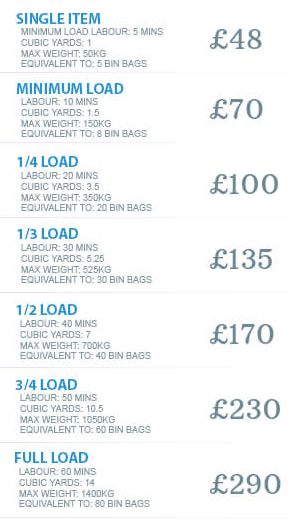
 Tipper Van - Rubbish Removal and Waste Disposal Prices in Kensington W8
 Luton Van - Rubbish Removal and Waste Disposal Prices in Kensington W8